Grease, Gin, and Getaway Cars: The Speakeasy Garages That Accidentally Made America Smarter About Cars
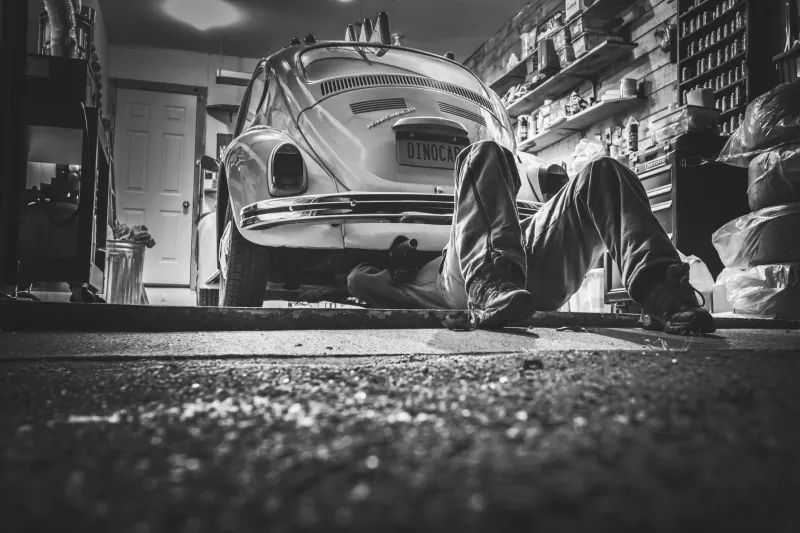
Imagine pulling into a small-town garage in 1925. The mechanic wipes his hands on a rag, checks under your hood, and asks if you want anything while you wait. You say sure. He disappears into a back room and returns with a mason jar of something that definitely isn't motor oil.
This wasn't as unusual as it sounds.
During Prohibition — the thirteen-year national experiment in banning alcohol that ran from 1920 to 1933 — garages became one of America's most convenient covers for illegal drinking. Think about it: a shop that's already loud, already smells like chemicals, already attracts men at odd hours, and already has plenty of reasons to keep the back room locked. For a bootlegger looking for a front operation, an auto shop was practically a gift.
But here's the part that almost nobody talks about: the arrangement accidentally made Americans significantly better at fixing cars.
The Perfect Cover
Prohibition-era speakeasies needed legitimacy. They needed a reason for foot traffic, a reason for deliveries, a reason for people to hang around for an hour and then leave. Barbershops worked. Pool halls worked. And garages — increasingly essential as car ownership exploded in the 1920s — worked beautifully.
The automobile was still a relatively new thing for most Americans during this period. Ford's Model T had only democratized car ownership in the previous decade, and plenty of drivers had no idea what to do when something broke. Garages were already mysterious, mechanical places that ordinary people visited out of necessity rather than comfort. Adding a hidden room in the back barely changed the vibe.
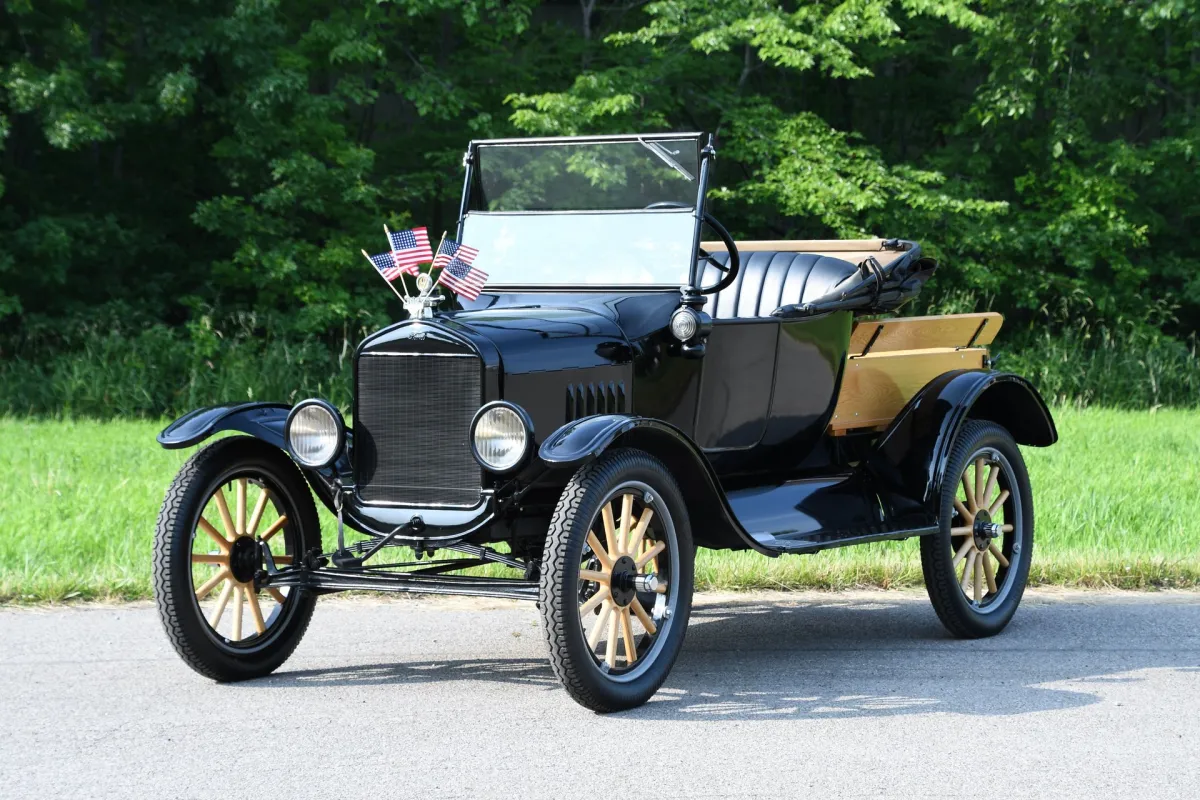 Photo: Ford's Model T, via cdn.dealeraccelerate.com
In rural areas especially, the local garage owner often became a dual authority figure: the guy who could fix your transmission and the guy who could get you a bottle of rye. The community trusted him with both.
Why the Cars Had to Be Fast
Here's where things get genuinely interesting from an engineering standpoint.
Bootleggers needed vehicles that could outrun law enforcement — and in the 1920s, that meant modifying stock engines in ways the manufacturers had never intended. The mechanics who worked in these hybrid operations became intimately familiar with compression ratios, carburetor tuning, suspension upgrades, and fuel delivery systems — not because they went to school for it, but because the consequences of getting it wrong were federal prison.
The pressure to perform created a culture of relentless experimentation. Mechanics would swap out engine components, adjust timing, and modify cooling systems by trial and error, developing an intuitive, hands-on knowledge that formal training rarely produces. Some historians of American automotive culture have noted that the mechanical ingenuity of the bootlegging era directly seeded the hot rod movement that exploded in Southern California in the 1940s and '50s. The guys building those stripped-down speed machines didn't appear from nowhere — many of them learned their craft in exactly this kind of pressure-cooked, semi-criminal environment.
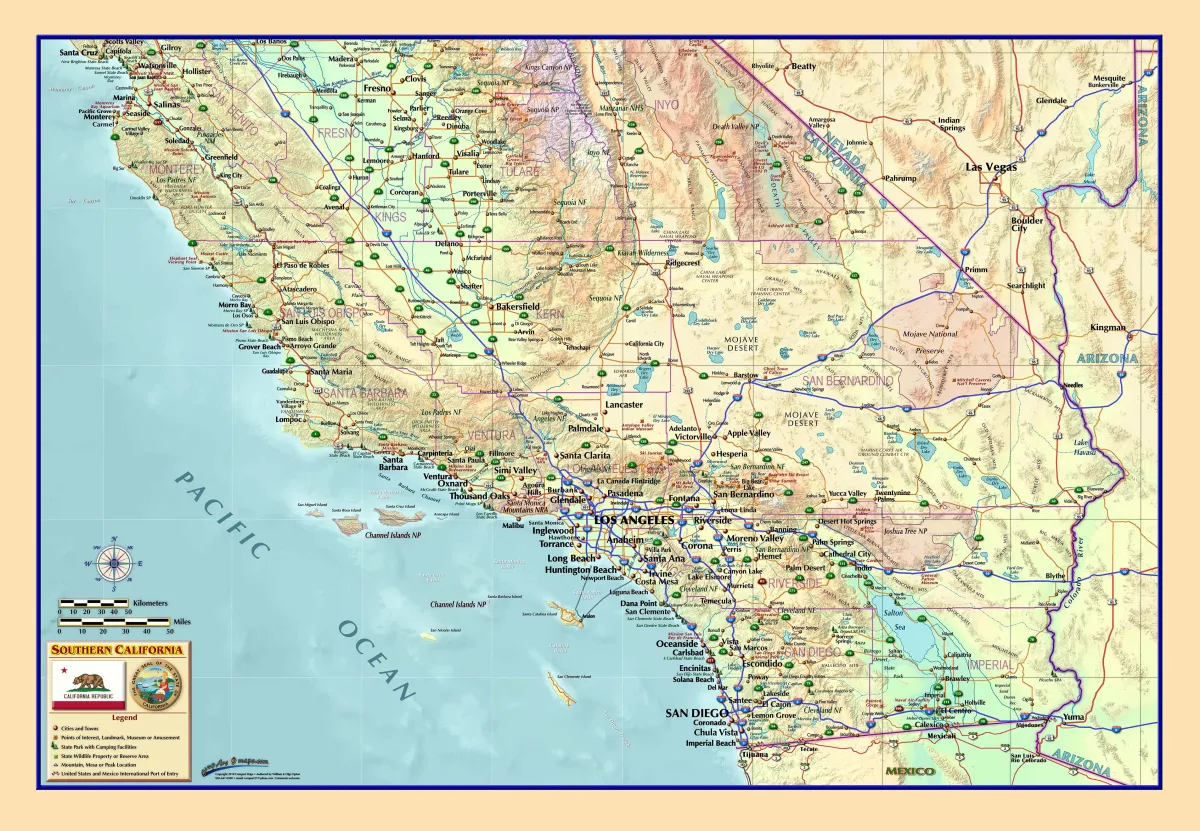 Photo: Southern California, via www.mapsales.com
Hidden Compartments and Mechanical Creativity
Then there were the cars themselves. Bootleggers required concealed storage — not just fast engines, but cleverly disguised cargo space. False floors, modified gas tanks that held smaller actual fuel reserves to create a hidden cavity, hollowed-out door panels, and dummy mechanical components that opened into storage bays were all documented features of rum-running vehicles.
Building these modifications required a sophisticated understanding of a car's structure. You had to know what could be removed, what could be hollowed, and what absolutely could not be touched without compromising the vehicle's function. Mechanics who mastered this craft became extraordinarily knowledgeable about automotive architecture — essentially reverse-engineering their own vehicles from the inside out.
Some of these modifications were genuinely impressive. Law enforcement agents who seized bootlegging cars in the late 1920s frequently reported being baffled by the ingenuity of the concealment systems. The Treasury Department's enforcement arm — the people who would eventually become the ATF — developed entire training programs just to teach agents how to search vehicles properly, because amateur mechanics had outsmarted them so consistently.
What the Speakeasy Garage Left Behind
Prohibition ended in 1933, but the mechanical culture it accidentally cultivated didn't disappear with it. The backyard engineers who had spent a decade modifying cars under pressure simply kept going — now legally, and with a deepened skillset that most formally trained mechanics couldn't match.
This is part of why American car culture in the postwar period was so distinctly hands-on and DIY-oriented compared to Europe. The tradition of the shade-tree mechanic — the guy who fixes his own vehicle in the driveway on a Saturday, who swaps parts and argues about carburetor settings and knows his engine by feel — has roots that run through Prohibition-era garages more than most people realize.
There's also a psychological thread worth pulling. The speakeasy garage created a space where mechanical knowledge was social currency. You didn't just fix cars — you fixed cars together, in a community of people who were all slightly outside the law and deeply reliant on each other's expertise. That collaborative, informal knowledge-sharing culture became a defining feature of American automotive enthusiasm for generations.
A Strange Legacy, Hiding in Plain Sight
Next time you're in a small town and you pass one of those old brick garages with the faded painted signs and the weirdly deep back lot, consider what might have happened there a hundred years ago. The same building that smelled like motor oil probably smelled like moonshine on Friday nights. The same guy who tuned your grandfather's Ford probably knew exactly how to make it disappear down a back road before the sheriff arrived.
America's love affair with cars was always a little bit outlaw. Turns out, that's not a bug in the story — it's the whole engine.