America Almost Drove on the Left — And One Stubborn State Took Forever to Give In
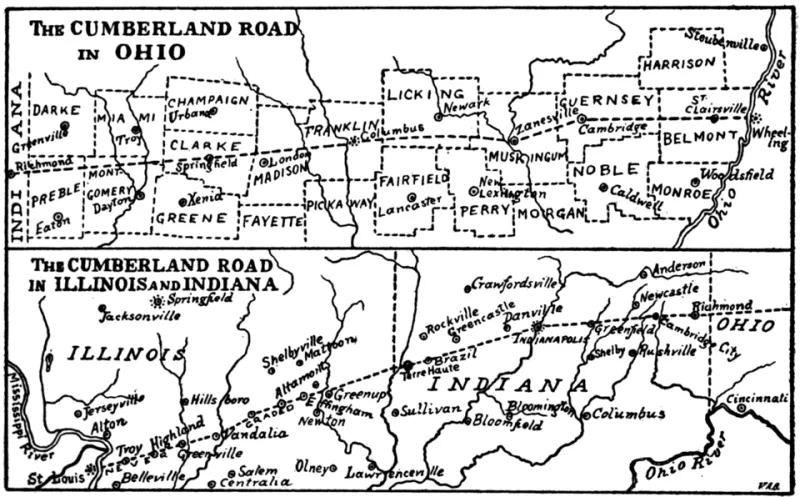
Photo: Archer Butler Hulbert, Public domain, via Wikimedia Commons
It feels like a settled fact, the kind of thing that was always true: Americans drive on the right. Of course they do. Everyone knows this.
Except that for a significant stretch of American history, it wasn't settled at all. The question of which side of the road would define the young nation's travel culture was actively contested — regionally, politically, and practically — for well over a century. And the way it finally got resolved says a lot about how American infrastructure decisions get made: messily, gradually, and with at least one state dragging its feet embarrassingly late.
The British Hangover
When the American colonies were still colonies, left-side travel was the norm — inherited directly from British custom. The reasons for Britain's left-side preference are themselves debated by historians, but one popular explanation involves the sword hand: mounted travelers kept to the left so their right hand (and sword arm) was positioned toward oncoming strangers. Practical, if paranoid.
Early American roads, such as they were, followed this pattern. In the colonial era, if you were riding a horse or driving a cart through Philadelphia or Boston, you kept left. It was just what you did.
Then came independence — and with it, a quiet but meaningful cultural impulse to do things differently from the British. That impulse, combined with the practical realities of how Americans actually moved goods, started pushing traffic in a new direction. Literally.
The Wagon That Changed Everything
Here's where it gets genuinely interesting. The shift toward right-side travel in America wasn't primarily driven by law or politics — it was driven by freight wagons.
The large Conestoga wagons that hauled goods across Pennsylvania and eventually westward were typically driven from the left rear wheel position, or from a position on the left side of the wagon team. This meant the driver's whip hand — the right — could reach all the horses without obstruction.
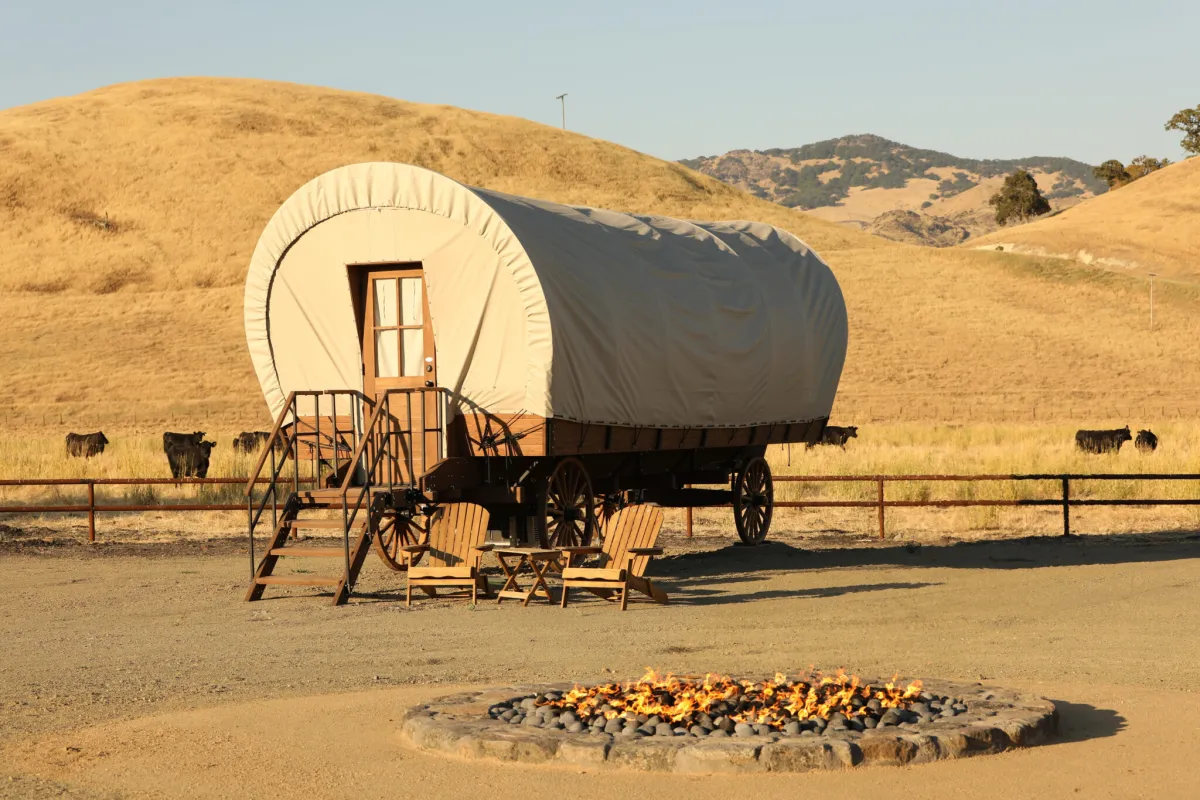 Photo: Conestoga wagons, via conestogawagonco.com
But here's the key detail: a driver sitting in that position naturally wanted oncoming traffic on his left, so he could judge clearance between wagons. That meant keeping to the right side of the road. When you're managing a six-horse team and a loaded wagon on a muddy track, you very quickly develop strong opinions about traffic flow.
Conestoga wagons were everywhere in early America. Their drivers' preferences, multiplied across thousands of miles of commercial routes, quietly standardized right-side travel long before any law mandated it. Pennsylvania — the heartland of Conestoga culture — became an early right-side stronghold, and its roads carried enough commercial traffic to influence the surrounding region.
In 1792, the Lancaster Turnpike — one of America's first major improved roads, connecting Philadelphia to Lancaster — formalized right-side travel in its rules. It wasn't a federal mandate. It was just a toll road policy. But it carried enormous weight, both literally and culturally.
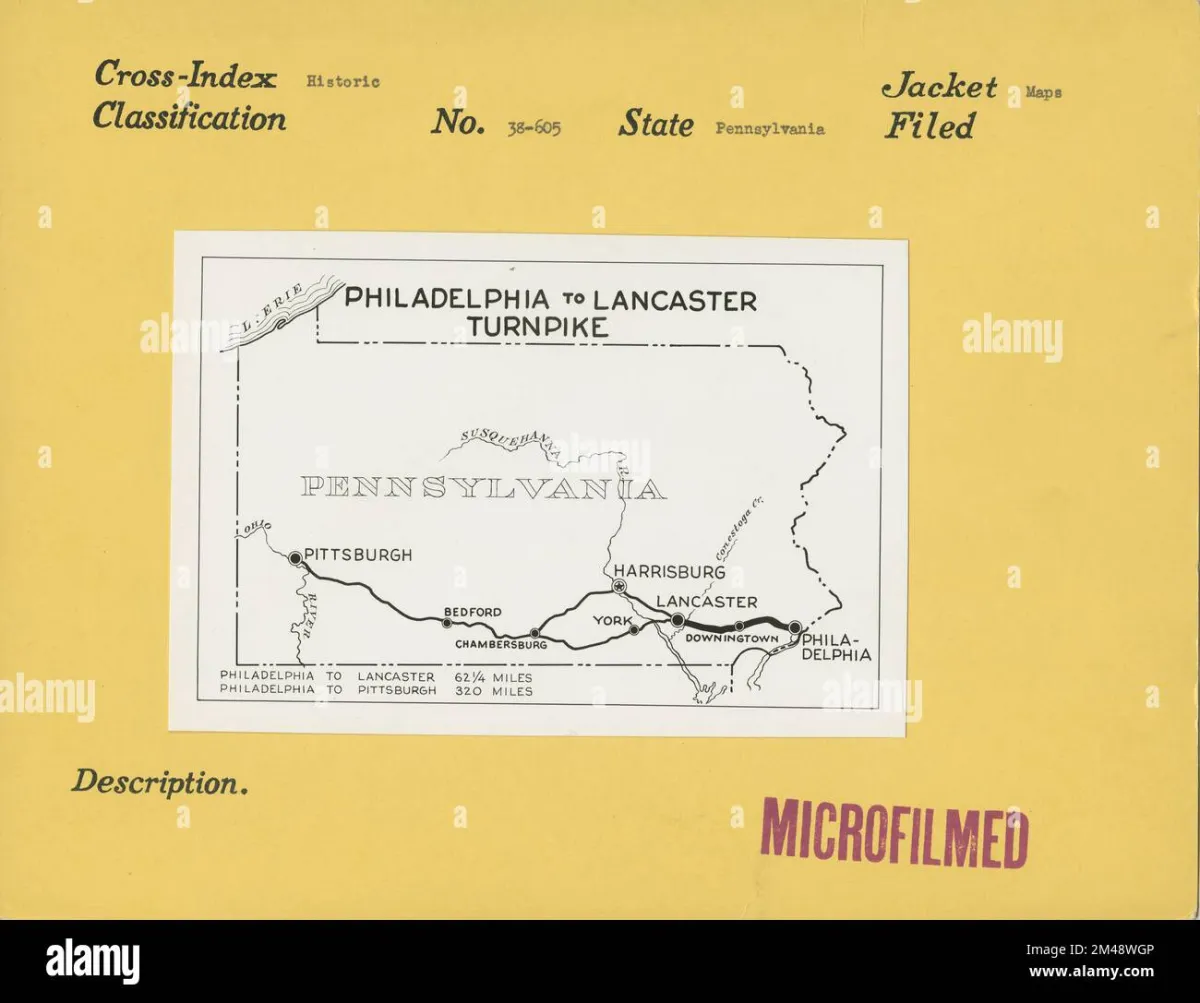 Photo: Lancaster Turnpike, via c8.alamy.com
The Holdouts
Not everyone fell in line quickly. New England, with its stronger British cultural ties and different wagon traditions, held to left-side customs longer. New York was a patchwork of competing local habits for years. And then there was New Jersey.
For reasons that historians still find slightly baffling, New Jersey maintained official left-side travel requirements on certain roads well into the early 20th century — making it, at various points, the last significant American holdout in a country that had otherwise committed to the right. Crossing state lines in that era wasn't just a change of scenery; it could mean an abrupt change in which side of the road you were expected to occupy.
The arrival of the automobile accelerated the final standardization. Cars needed consistent rules, and the chaos of state-by-state variation became genuinely dangerous at speed. Federal pressure and common sense eventually finished what the Conestoga wagon had started.
Why Car Design Still Carries the Evidence
Here's something worth noticing the next time you sit in an American car: the driver's seat is on the left. This is so standard it's invisible — but it's a direct consequence of the right-side driving decision.
When you drive on the right side of the road, you position the driver closest to the center line — where oncoming traffic is, where passing judgments are made, where the most critical visual information lives. Placing the driver on the left side of the vehicle puts their eyes in the optimal position for navigating a right-side road.
British cars, of course, do the opposite — driver on the right, traffic on the left. Same logic, mirror image.
The entire geometry of American car interiors, dashboard layouts, blind spot patterns, and even the placement of side mirrors all flow from that original decision about which side of the road to claim. It's baked into every vehicle Americans have ever built.
The Road Not Taken
It's a strange thing to imagine an alternate America where traffic flows left. Different highway on-ramp designs. Different pedestrian crossing habits. Different car interiors. Presumably a very different outcome to any number of historical accidents and near-misses.
But the more interesting takeaway might be how contingent it all was. There was no grand plan, no founding document declaring the right side correct. A type of working wagon, a practical toll road, and the accumulated habits of freight drivers quietly decided one of the most consequential infrastructure questions in American history.
The road less traveled, it turns out, was almost the road on the other side.