What Old-School Truckers Knew About Traffic That Your GPS Still Can't Figure Out
Photo: nzsteam, CC BY 2.0, via Wikimedia Commons
What Old-School Truckers Knew About Traffic That Your GPS Still Can't Figure Out
Picture this: a veteran trucker rolling westbound on I-80 somewhere in Nebraska, squinting at the horizon. No phone mount. No traffic overlay. No little red dots warning of slowdowns ahead. Just a cup of truck stop coffee and forty years of watching roads breathe.
And somehow — almost impossibly — he taps the brakes a full three miles before the backup comes into view.
This wasn't luck. It wasn't a sixth sense, either, though it looked like one. It was a highly refined system of observation that experienced long-haul drivers developed over decades on the road. Call it analog traffic intelligence. Call it road reading. Whatever the name, it worked — and most of it has quietly disappeared from the asphalt along with the generation that practiced it.
The Brake Light Ripple and What It Actually Means
Every driver has seen brake lights. But veteran truckers learned to read them the way a musician reads sheet music — not just noting that they existed, but interpreting their rhythm, their spread, and their wave pattern.
A single flash of brake lights far ahead meant almost nothing. A rolling ripple of red — where lights activated in sequence moving backward toward you — told a completely different story. That ripple indicated a hard stop somewhere upstream, and the speed at which the wave traveled backward told an experienced driver roughly how severe the obstruction was.
Slower ripple, minor slowdown. Fast, compressed ripple? Something had stopped traffic cold.
Modern traffic flow researchers actually have a name for this phenomenon: the "phantom traffic jam" or "jamiton," a self-sustaining wave of congestion that travels backward through traffic at roughly 12 miles per hour. Old truckers didn't have the academic language, but they'd mapped the behavior perfectly through sheer repetition.
Shadow Patterns and the Light That Lied
Here's one that sounds almost mystical until you think it through: experienced drivers learned to watch how sunlight and shadow fell across the road surface ahead.
On a clear day, a line of stationary vehicles on an elevated highway or overpass casts a distinctive shadow pattern on the pavement below — one that's visible well before the vehicles themselves come into view. Truckers who drove the same corridors repeatedly learned to recognize these shadow signatures, especially in the early morning or late afternoon when the sun angle made them most pronounced.
Beyond shadows, the reflective shimmer of sunlight off metal — dozens of car rooftops sitting still — looks fundamentally different from the moving glint of flowing traffic. It was a visual texture, almost, that took time to learn to perceive but became automatic for those who did.
Animals Know Something You Don't
This one surprises people: wildlife behavior near highways was a legitimate data point for seasoned road readers.
Deer, coyotes, and even large birds tend to avoid the roadside margins when traffic is flowing normally — the noise and movement push them back into cover. But when traffic stops or slows significantly upstream, the sudden drop in road noise causes animals to move closer to the shoulder, or even attempt crossings they'd normally avoid.
Truckers who logged thousands of miles through rural corridors — places like the Wyoming stretch of I-80 or the long agricultural flats of the Central Valley — noticed this pattern. A cluster of deer standing unusually close to the fence line along a stretch that should be busy? Something had quieted the road ahead.
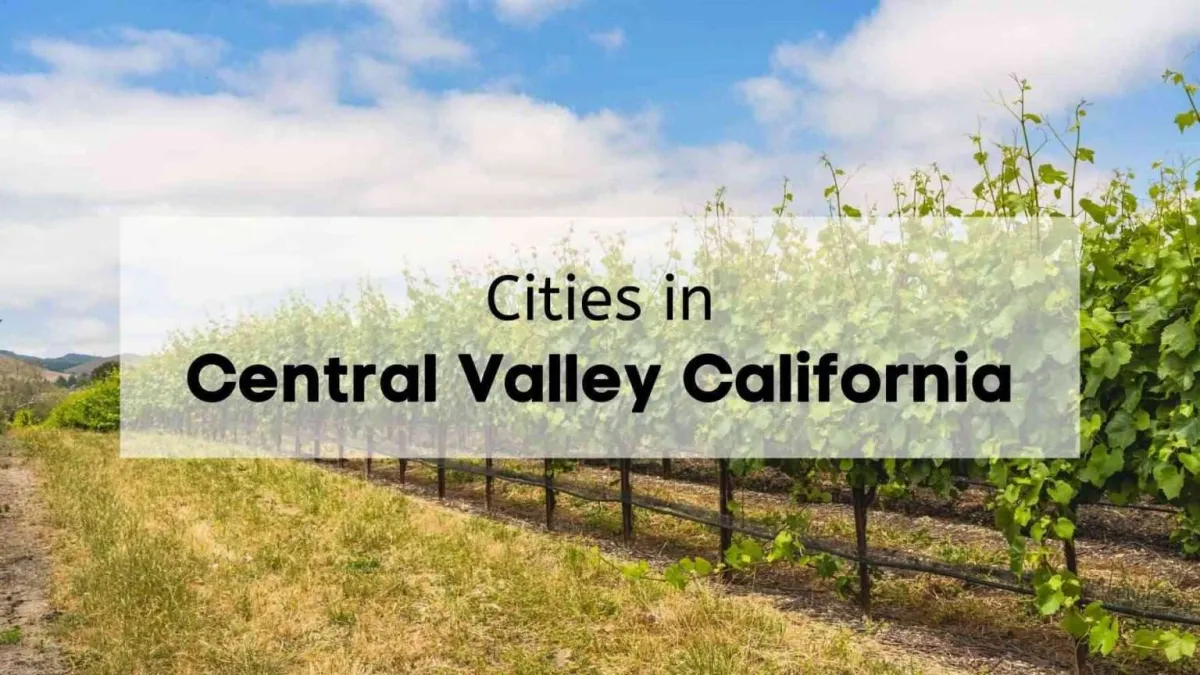 Photo: Central Valley, via gracemoving.com
It sounds like folklore. But it's actually consistent with what animal behaviorists now understand about wildlife acoustic responses to traffic corridors.
The CB Radio Was a Collective Brain
No conversation about old-school traffic intelligence is complete without the CB radio — and not just as a novelty from Smokey and the Bandit.
At its peak in the 1970s and early 1980s, the CB network functioned as a genuinely sophisticated distributed information system. Drivers shared road conditions, accident locations, speed trap positions, and weather hazards in real time across a loosely organized channel structure. Truckers developed shorthand so compressed and efficient that it could convey a full traffic situation in under ten seconds.
"Bear in the air, mile marker 140, eastbound backed up past the 132" told you everything you needed to reroute — and it came from a human being who had eyes on the situation right now, not a satellite pass from twenty minutes ago.
What's remarkable is how closely this mirrors the crowdsourced traffic model that apps like Waze would later commercialize. The truckers got there first, running the whole system on radio waves and mutual self-interest.
Why This Still Matters
You might wonder why any of this is relevant in the age of real-time GPS traffic overlays. Fair question. But here's the thing: algorithms can only report what sensors and other users have already detected. There's an inherent lag — sometimes just seconds, sometimes minutes — between an event happening and your app knowing about it.
The observational skills that old truckers developed were predictive, not reactive. They were reading leading indicators rather than waiting for confirmed data.
Traffic psychologists studying driver behavior have increasingly found that experienced drivers do outperform GPS guidance in dynamic, rapidly changing situations — precisely because they're processing environmental cues that no sensor has yet captured.
In other words, the road readers weren't just using folk wisdom. They were doing something closer to real-time environmental data processing, just without the app.
The Last Road Readers
Most of the truckers who mastered this craft are retired now, or gone. The profession has changed — electronic logging mandates, route optimization software, and a new generation raised on digital navigation have shifted the culture.
But spend time in the right truck stops, and you'll still find a few old-timers who'll tell you about reading the road. They'll describe watching the sky over a mountain pass before committing to the climb, or noticing that the cars ahead are riding their brakes on a downgrade that shouldn't require it.
They learned to listen to the road. And for a long time, it told them everything they needed to know.