Nine Things Your Car Is Secretly Hiding From You (and Why the Engineers Buried Them)
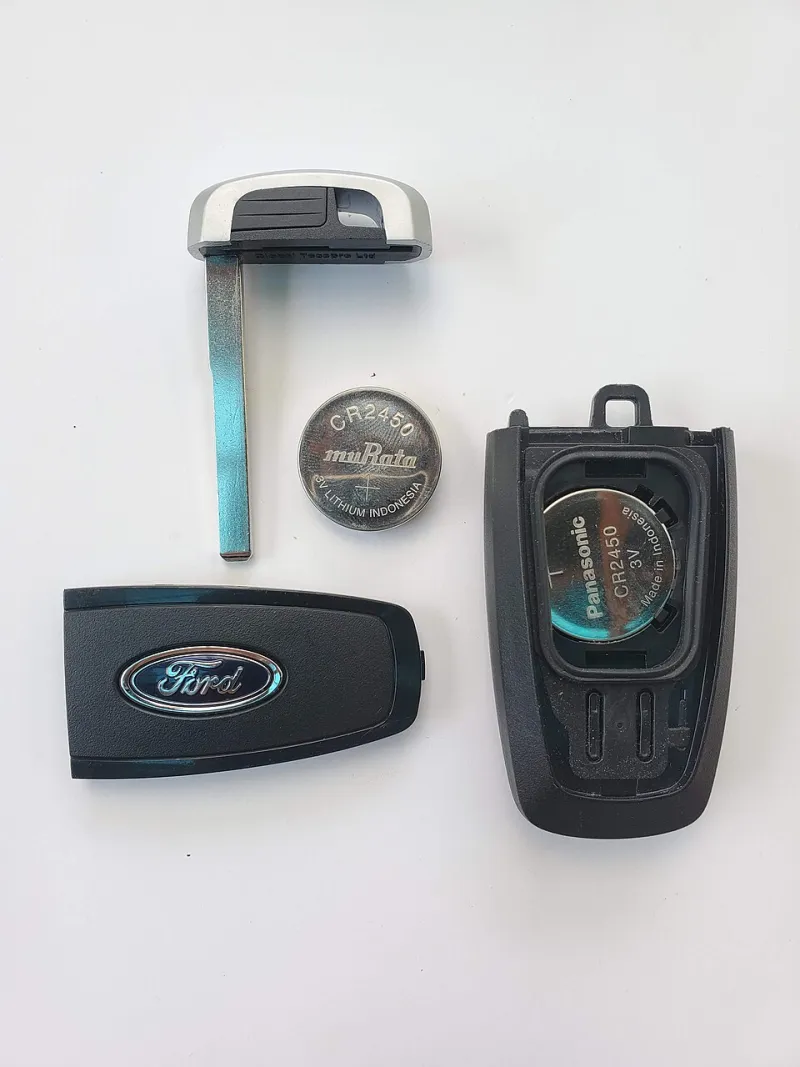
Photo: Benbur121, CC BY-SA 4.0, via Wikimedia Commons
Somewhere in your driveway is a car with features its own owner has never seen. Not fancy features — not the heated steering wheel you paid extra for. We're talking about deliberately concealed hardware: levers, slots, and hooks that engineers designed to be found only in emergencies, then hid so well that most drivers go a decade without discovering them.
Here are the ones worth knowing before you need them.
1. The Glow-in-the-Dark Trunk Release
Since 2002, federal law has required every American car with a trunk to have an internal emergency release. The catch? Most people have never looked for theirs. It's usually a small glowing handle or T-shaped pull near the latch itself — visible only when you're already inside the trunk. Automakers added it after a string of tragic kidnapping cases in the 1990s, and it's the single most important hidden feature in any vehicle. Find yours today, not someday.
2. The Secret Keyhole in Your Key Fob
That fob in your pocket is hiding a physical key. Press the small button or slide the switch on the side, and a metal key slides out — for the moment when the fob's battery dies in a grocery store parking lot in January. The keyhole on the door handle is often hidden too: look for a small cover or slot near the handle that the key blade can pry open. BMW, Toyota, Honda, and nearly everyone else hides it the same way.
3. The Dead-Battery Start Slot
Many push-button cars have a fallback most owners never learn: if the battery or fob is dead, you can often hold the fob directly against the start button (or a marked spot on the steering column) and the car will start anyway, using passive induction. It's in the manual. Nobody reads the manual.
4. The Tow Hook Hiding Behind a Plastic Flap
Look at the front and rear bumpers of most modern cars and you'll spot a small square panel. Pop it with a flathead screwdriver and you'll find a threaded socket for a screw-in tow eye. If your car needs to be loaded onto a flatbed — or pulled out of a snowbank — that socket is the difference between a two-minute hookup and a tow truck driver fishing for a frame rail.
5. The Fuel Door's Manual Escape Hatch
Electric fuel door releases fail. When they do, most cars have a manual override: a small loop or lever in the trunk lining, near the fuel filler side. Pull it, and the door pops open. Ask anyone who's been stranded at a rural gas station with a full jerry can and a stubborn latch — this one's worth thirty seconds of research.
6. The Shifter's Magic Button
If your car dies and needs to be pushed or towed, the shifter will refuse to come out of Park — unless you know about the shift lock override. It's a small slot near the shifter (sometimes under a plastic cover) where you insert the key or a screwdriver to free it. Every flatbed operator wishes more people knew this existed.
7. Headlight Controls That Outlive the Ignition
Many cars let you flash or hold the headlight stalk to keep lights on after shutdown — a built-in safety feature for a dark roadside breakdown. Some vehicles also keep hazard lights functioning for hours on a nearly dead battery. Knowing which is which keeps you visible when it matters.
8. The Jack Points Nobody Uses Correctly
Flip through the owner's manual diagram (or look for notched arrows molded into the rocker panel) and you'll find the exact reinforced jacking points. Using the wrong spot cracks floor panels and pinch welds — one of the most common self-inflicted repair bills in America.
9. The Rear Seat Trunk Pass-Through Release
Many sedans have a hidden release inside the trunk that folds the rear seatbacks down from behind — designed so you can escape through the cabin or grab luggage without walking around. It's also, in a pinch, an alternate escape route. Which, notably, is the point.
The Common Thread
Every one of these features exists because an engineer imagined your worst day and built a quiet solution into the car — then trusted the owner's manual to tell you. The manual, as we've established, is losing that battle.
So here's the assignment: this weekend, with the car parked and a coffee in hand, spend fifteen minutes in your own trunk and door panels. Find the glowing handle. Pop the bumper flap. Slide out that emergency key. It's the cheapest insurance you'll ever get, and it's already paid for.