Velvet Dashboards and Tiny Worlds: The Forgotten Art of the Car Interior Customizers
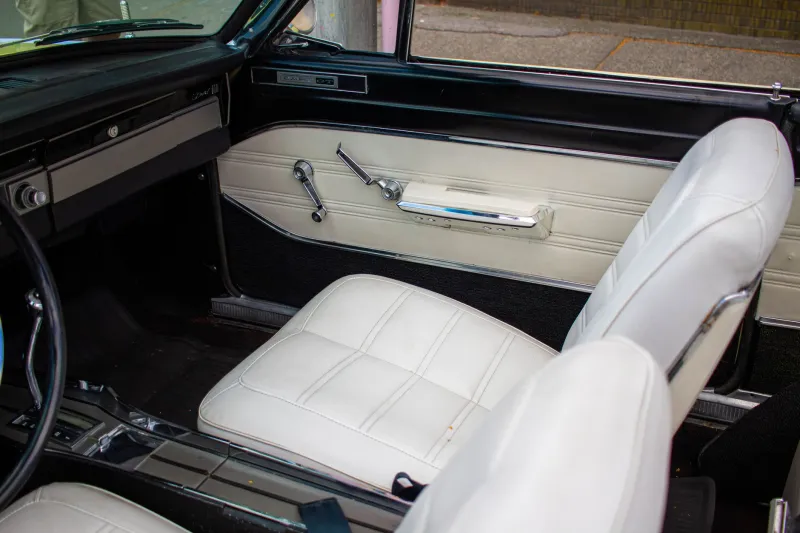
Somewhere in a storage unit in Reseda, California, there is almost certainly a 1978 Chevy van with a dashboard that looks like the inside of a Vegas lounge designed by someone who really loved the cosmos. Velvet panels in deep burgundy. A row of custom-machined gauges with hand-painted faces. A tiny mirrored strip running along the top of the dash. Maybe a little brass figurine bolted to the center console. Maybe a hand-lettered nameplate that says something like The Wanderer or El Capitan.
This wasn't a factory option. This was art. And the people who made it were running a full-blown shadow economy of automotive personalization decades before anyone thought to put an app store in a car.
The Dashboard as Canvas
To understand why dashboard customization became a genuine subculture in the 1970s and '80s, you have to understand what factory dashboards looked like at the time. They were, to be charitable, utilitarian. Big swaths of molded plastic in colors like "harvest brown" and "avocado" — shades that seemed specifically engineered to crush the human spirit. The gauges told you speed and fuel level and approximately nothing else. The interior of a new car in 1974 communicated one message above all others: you are a unit of transportation, not a person.
Some drivers accepted this. Others did not.
The ones who didn't accept it started talking to each other through CB radio communities, custom car shows, and the classified sections of specialty magazines. They shared techniques. They sourced materials — upholstery shops, hobby stores, surplus electronics suppliers. They figured out how to splice in aftermarket gauges without voiding warranties they'd already voided by drilling holes in the dashboard. They taught each other how to work with velvet, with faux wood grain, with chrome trim tape, with the kind of small-scale craft skills that usually lived in the world of dollhouse makers and model train enthusiasts.
The result was something genuinely unlike anything Detroit was producing.
What They Actually Built
The range of what dashboard customizers created is hard to categorize neatly, which is part of what makes it so interesting. On the more restrained end, you had enthusiasts adding custom gauge clusters — additional readouts for oil temperature, voltage, transmission temp — that were both functional and decorative. These guys were gearheads first, aesthetes second, and their dashboards looked like the cockpit of something that meant business.
Then there was the other end of the spectrum.
Some customizers built what can only be described as interior ecosystems. Miniature scenes embedded in dashboard panels — tiny desert landscapes behind glass, or little dioramas of the owner's hometown. One well-documented example from a California van show in 1981 featured a working waterfall (recycled water, small pump, ran off the accessory circuit) incorporated into the center console. Another builder in Texas created a dashboard panel that displayed a hand-painted map of every road trip he'd ever taken, updated after each journey with new lines in different colors.
The craftsmanship involved was serious. These weren't slapped-together novelty projects. Builders spent months sourcing materials, planning layouts, learning upholstery techniques from professional trimmers who moonlighted at custom shops. The van customization scene in particular became a hotbed of this work — vans offered interior volume that sedans didn't, and their owners had a well-established culture of treating the interior as a living space rather than just a place to sit.
The Economics of the Scene
Here's the part that surprises people: this was a real economy. Not a huge one, but a functioning one. Custom interior shops — often one or two-person operations running out of garages or small commercial spaces — charged real money for high-end dashboard work. A full custom interior job with bespoke gauge panels, velvet upholstery, and decorative trim could run several thousand dollars in early 1980s money. The people doing the work were skilled tradespeople, and they knew it.
There was also a lively trade in components. Small manufacturers produced aftermarket gauge faces, custom bezels, decorative trim pieces. Swap meets at car shows had entire sections devoted to interior customization parts. Specialty mail-order catalogs — the pre-internet equivalent of an Etsy shop — sold materials to builders across the country.
The scene had its stars, too. Builders whose work was featured in magazines like Van World or Custom Van & Truckin' developed reputations that brought customers from multiple states. Their techniques got written up, photographed, dissected, and imitated.
What Killed It (And What It Left Behind)
The honest answer is that two things killed the dashboard customization subculture: manufacturers got better at interiors, and then manufacturers got digital.
By the late 1980s, factory dashboards had improved dramatically. Better materials, more gauge options, more thoughtful ergonomics. The gap between what you could buy and what you could build started to close. And then, through the 1990s and into the 2000s, the dashboard became a screen — first for navigation, then for everything else. The analog craft skills that dashboard customizers had spent years developing were suddenly irrelevant. You couldn't hand-stitch a touchscreen.
But the impulse didn't die. It migrated. Today it shows up in elaborate car audio builds, in the JDM interior modification community, in the growing world of EV owners who mod their Tesla cabins in ways the factory never imagined. The tools are different. The medium is different. The urge to make the inside of a car feel like yours — genuinely, personally, irreplaceably yours — is exactly the same.
Somewhere, someone is probably right now doing something to their dashboard that their car's manufacturer would find deeply alarming. In the best possible way.