Exit 47 to Nowhere: The Ghost Towns Hiding Behind Interstate Off-Ramps
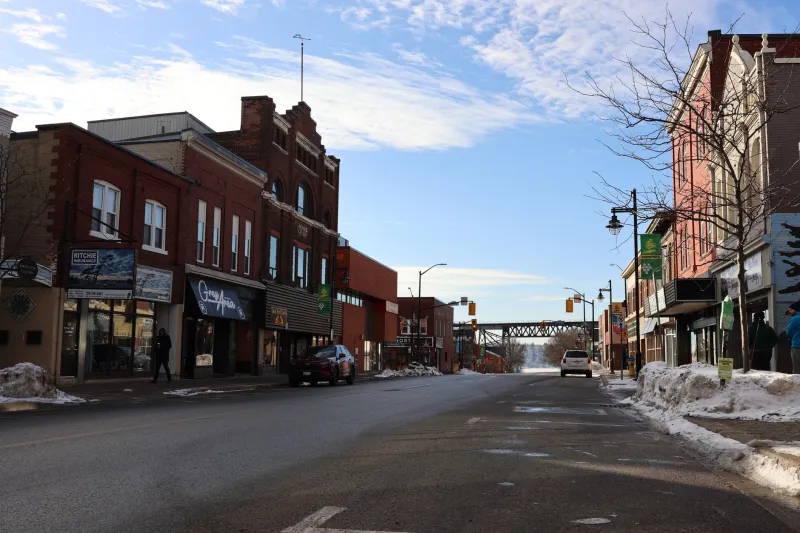
Take Exit 47 off I-70 in western Kansas sometime. Go ahead — follow it all the way down the off-ramp, past the faded yield sign, and into what used to be the kind of town where people stopped for pie and stayed for a generation. Today, you'll find a boarded-up motel with a marquee sign still promising "COLOR TV," a gas station with grass growing through the pump islands, and maybe a single house with a single light on, inhabited by someone who remembers when this place had a name people actually recognized.
This isn't a rare sight. It's a pattern. And once you start noticing it, you can't stop.
How the Interstate Giveth and Taketh Away
When President Eisenhower signed the Federal Aid Highway Act of 1956, the pitch was simple: faster travel, stronger commerce, better national defense. What the brochure didn't mention was the fine print — that the new superhighways would largely bypass the small towns that U.S. routes had sustained for decades. Route 66 towns knew it first. Barstow, California survived. Ludlow didn't. Afton, Oklahoma hung on by a thread. Rolla, Missouri reinvented itself. But for every town that adapted, five others just... faded.
The mechanics of the fade were surprisingly consistent. First, the interstate opened a few miles away. Then the truck stop moved to the new interchange. Then the motel followed. Then the diner that fed the motel workers. Within ten years, the original town's tax base had migrated to a newer, shinier version of itself at the off-ramp — and the old downtown became a museum no one paid admission to visit.
The Exits That Still Have Signs
What makes this phenomenon especially strange is that many of these exits are still marked, still maintained, still technically functional. The Department of Transportation doesn't remove signs just because the destination has become irrelevant. So you'll find exits in Nebraska and Mississippi and rural Oregon pointing toward communities with populations in the double digits — towns that once had hardware stores, weekly newspapers, and high school football teams with actual rivalries.
Glenrio, Texas is a favorite among road historians. Straddling the Texas-New Mexico border along what used to be Route 66, it had a diner, a motel, a gas station, and a post office. When I-40 bypassed it in the early 1970s, the town didn't just slow down — it stopped. Today, the exit ramp still exists. You can still drive it. The buildings are still standing, technically. But Glenrio has a population of zero. The exit leads to a place that exists only in the past tense.
Or take Loraine, Texas — a small community that watched I-20 slice past it close enough to taunt but far enough to starve. The exit is there. The sign is there. What's on the other end is a community fighting to stay relevant in a country that stopped paying attention.
The Residents Who Stayed
Here's the part of the story that doesn't show up on travel blogs: some people never left. There are Americans living in these bypassed towns who remember the exact year the traffic stopped. Who can tell you the name of the last trucker who became a regular. Who watched the town's last grocery store close and started driving forty-five minutes each way for milk.
They're not bitter, mostly. Or at least, not only bitter. Many of them will tell you the town was better before the highway came anywhere near it — that the interstate brought noise and strangers and a kind of transient energy that never really belonged to a place like theirs. The bypass, in that telling, was almost a relief. A restoration of quiet.
But the economics are brutal and undeniable. When a town loses its position on the traveler's route, it loses its reason to exist in the commercial sense. Schools consolidate. Young people leave for the interchange town, or the city beyond it. Property values collapse. And the exit sign on the interstate becomes a kind of tombstone — marking the location of something that used to matter.
Why It's Worth Taking the Exit
There's a growing movement — small, quirky, but persistent — of drivers who specifically seek out these exits. Not for dark tourism, exactly, but for something harder to name. Call it geographic curiosity. Call it a hunger for the America that exists between the algorithm-optimized stops your phone recommends.
What these drivers find, consistently, is texture. History with its edges still on. Buildings that weren't designed for Instagram but somehow photograph beautifully anyway. And occasionally, a conversation with a long-timer who hands you a cup of coffee and tells you things about this country that no podcast has ever covered.
The phantom exits aren't failures of the interstate system. They're its receipts — proof of what was traded away in exchange for speed and efficiency. And if you've got an afternoon and a tank of gas and a tolerance for roads that don't promise anything, they're worth every mile.
Some of the best drives in America don't start with a destination. They start with an exit ramp and a question: what used to be here?