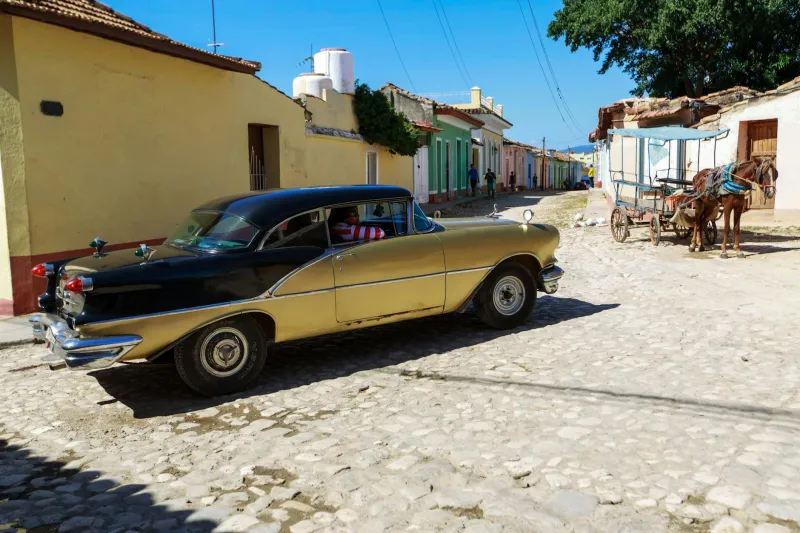
Picture this: it's 1903, and the town council of Princeton, Massachusetts is debating whether to ban automobiles entirely. Not just restrict them or regulate them — ban them completely. And they're not alone.
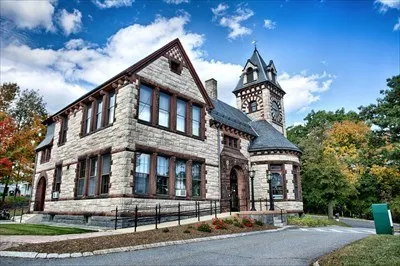 Photo: Princeton, Massachusetts, via img.geocaching.com
Across America, dozens of small towns were waging a quiet war against the automobile invasion, armed with arguments that would make today's urban planners nod in recognition. These weren't backward-thinking cranks afraid of progress. They were communities asking hard questions about what kind of future they wanted to build.
The Great Automotive Resistance
The anti-car movement peaked between 1900 and 1910, when automobiles were still expensive, unreliable, and frankly terrifying to most Americans. Towns from Vermont to California passed ordinances requiring cars to stop completely when encountering a horse, limiting speeds to walking pace, or banning them from main streets entirely.
Princeton's proposed ban went further than most. The town's selectmen argued that automobiles were "a public nuisance" that endangered children, spooked livestock, and shattered the peace that made small-town life worth living. They weren't wrong — early cars were loud, smoky, and prone to backfiring like gunshots.
But dig deeper into their meeting minutes, and you'll find arguments that sound startlingly modern. They worried about cars turning quiet residential streets into dangerous thoroughfares. They questioned whether individual convenience should trump community safety. They even argued that cars would fundamentally change the character of their town — making it less walkable, less neighborly, less human-scaled.
The Town That Held Out Longest
While Princeton ultimately backed down, other communities doubled down. Savannah, Georgia banned cars from its historic squares until 1908. Several Vermont towns required automobile owners to hire a person to walk ahead of their vehicle carrying a red flag — essentially making car ownership so impractical that few bothered.
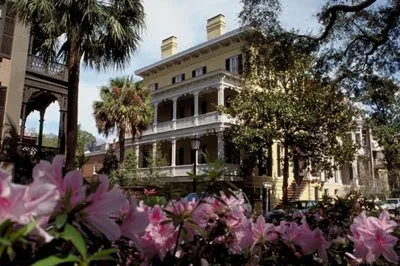 Photo: Savannah, Georgia, via 2.bp.blogspot.com
The longest holdout might have been Mackinac Island, Michigan, which banned motor vehicles in 1898 and maintains that ban today. What started as a practical decision — cars scared the horses that powered the island's tourism industry — became a defining feature that now attracts millions of visitors seeking a car-free experience.
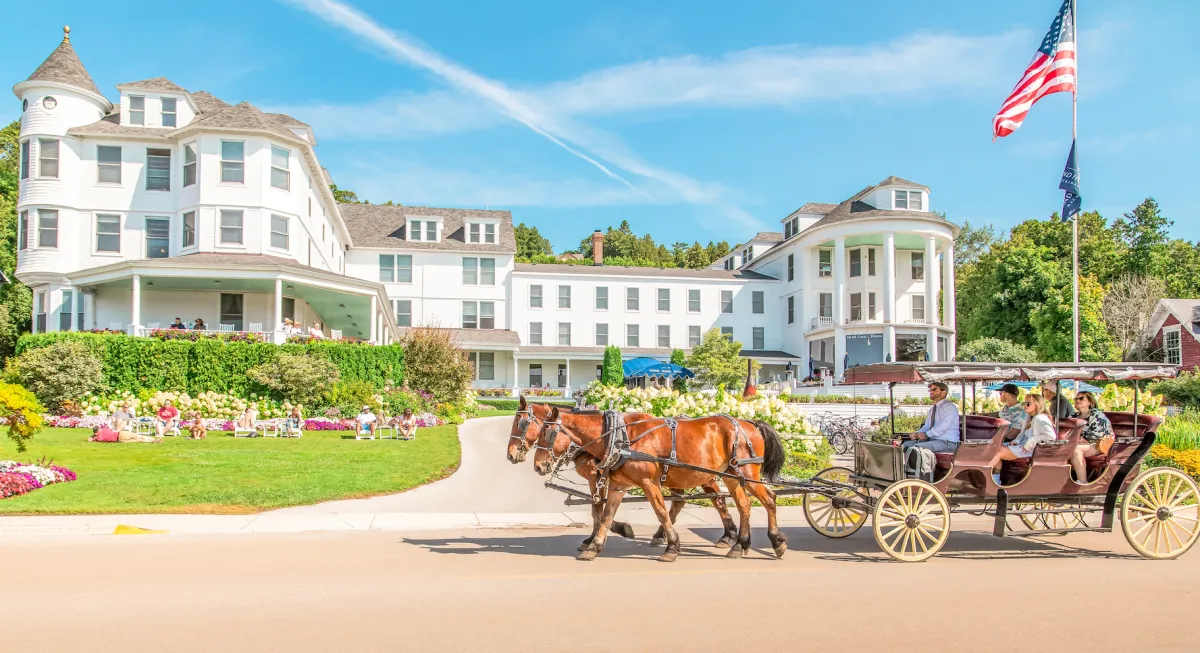 Photo: Mackinac Island, Michigan, via www.michigan.org
Arguments That Aged Like Fine Wine
Reading these century-old debates is like finding a time capsule of urban planning wisdom. The anti-car advocates predicted that automobiles would:
- Make streets dangerous for children and pedestrians
- Create noise pollution that would degrade quality of life
- Encourage sprawl that would weaken downtown business districts
- Prioritize individual convenience over community wellbeing
- Transform public streets from social spaces into traffic corridors
Sound familiar? Today's "15-minute city" advocates, Complete Streets proponents, and car-free movement leaders are essentially making the same arguments these small-town Americans made 120 years ago.
What Changed Everything
So why did the cars win? Economics, mostly. As automobile manufacturing scaled up and prices dropped, the benefits became harder to ignore. Cars offered freedom, convenience, and status that horse-drawn transportation couldn't match. The 1908 Model T made car ownership accessible to middle-class Americans, and World War I proved that motor vehicles were essential for modern logistics.
But the deeper shift was cultural. Americans embraced the idea that individual mobility trumped community concerns. The car became a symbol of progress, independence, and the American dream itself. Towns that resisted were painted as backward obstacles to inevitable modernization.
The Roads Not Taken
What if those early resisters had won? It's tempting to imagine an alternative America built around walkable communities, public transportation, and human-scaled development. Some of their specific proposals — like requiring cars to yield completely to pedestrians — might have created a fundamentally different relationship between vehicles and public space.
Of course, we can't turn back the clock. But we can learn from these forgotten voices who saw problems coming that we're still trying to solve. Their core insight remains relevant: transportation choices aren't just about getting from point A to point B. They're about what kind of communities we want to live in.
The Modern Echo
Today, cities from Paris to Portland are implementing car-free zones, congestion pricing, and pedestrian-priority streets — essentially reviving ideas that small American towns proposed over a century ago. The difference is that now we have data proving what those early skeptics suspected: car-dominated development patterns really do undermine community health, environmental sustainability, and social connection.
The next time you're stuck in traffic or dodging cars on a sidewalk, remember Princeton, Massachusetts. They saw this coming from miles away — and they tried to warn us.