In 1919, when Lieutenant Colonel Dwight Eisenhower embarked on the U.S. Army's first transcontinental motor convoy, there were no Interstate highways, no standardized rest areas, and certainly no GPS to find the nearest gas station. What there was, however, was something far more remarkable: an invisible network of ordinary Americans who had quietly appointed themselves as unofficial guardians of the open road.
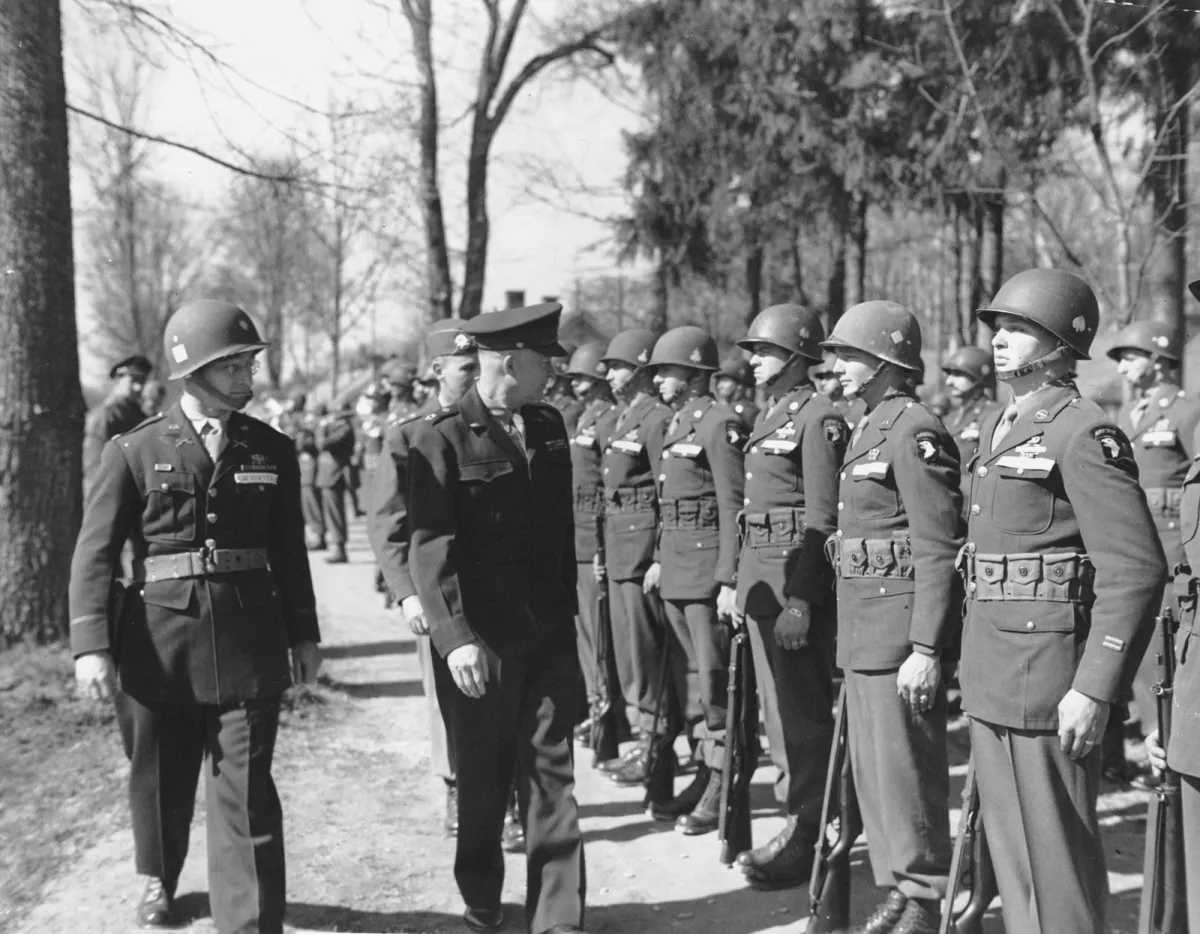 Photo: Dwight Eisenhower, via cdn.britannica.com
This forgotten system of roadside hospitality operated on handshake agreements, painted rocks, and hanging lanterns. It was grassroots America at its finest — and it probably saved more early motorists than any government program ever did.
The Lantern Code
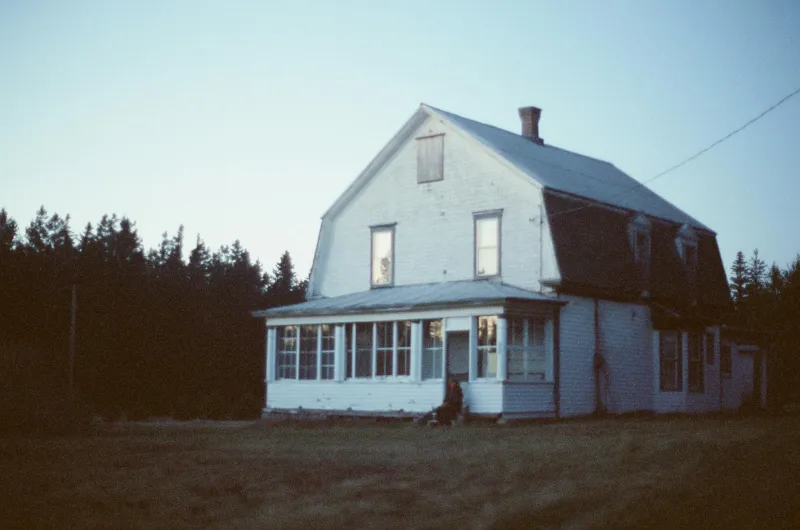
The system had its own language. A white lantern hanging by a farmhouse door meant food and lodging were available. A red lantern indicated mechanical help — usually a farmer with basic tools and some mechanical know-how. Blue lanterns, rarest of all, meant medical assistance, often a retired doctor or nurse willing to help travelers in distress.
These weren't official designations. No government agency created this code. It evolved organically as early motorists shared information about which houses offered help, and word spread through early automobile clubs and travel guides.
The most comprehensive documentation of this system comes from the journals of Emily Post — yes, the etiquette expert — who made several cross-country trips in the 1910s and 1920s. She meticulously recorded not just which houses displayed lanterns, but what kind of help they offered and how much they charged.
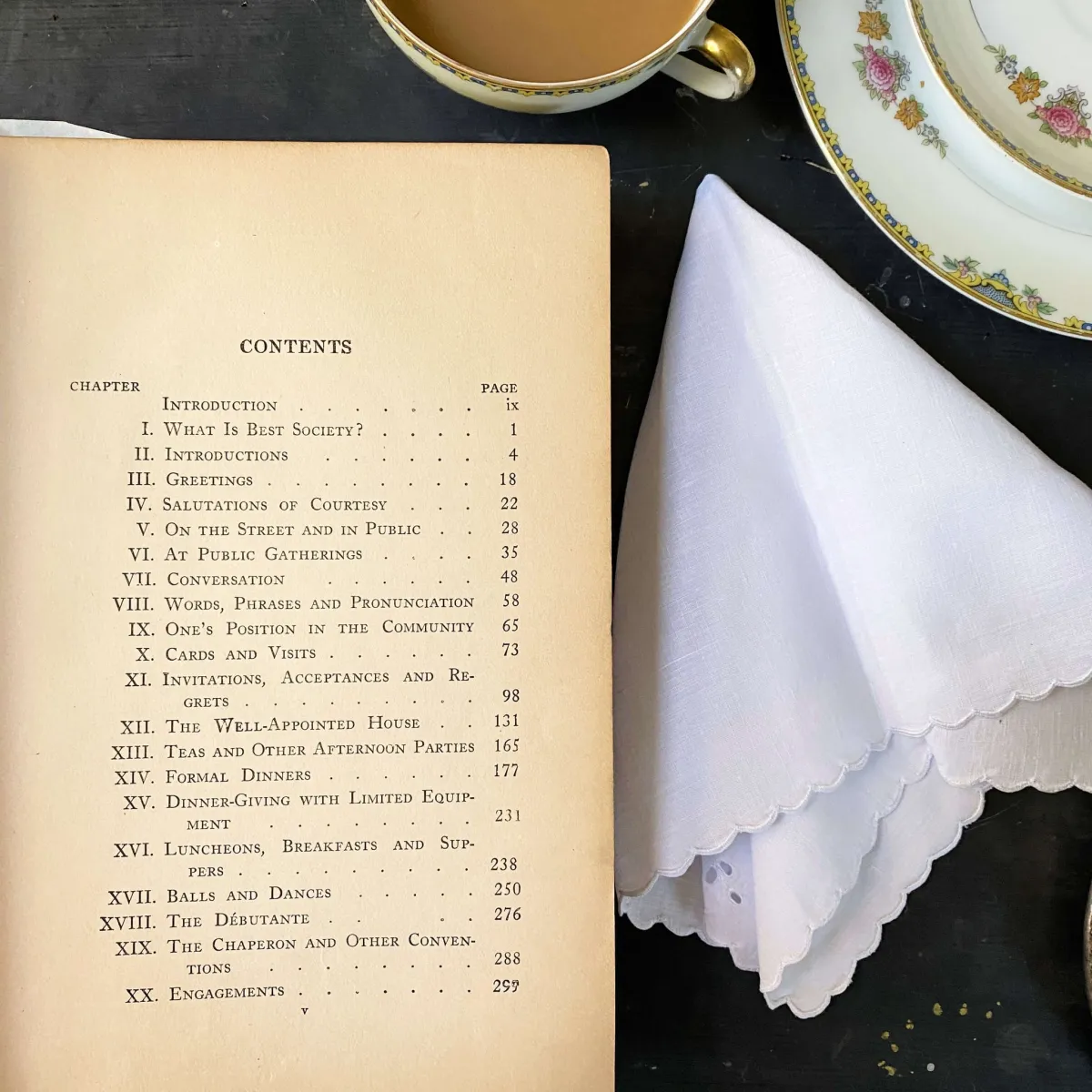 Photo: Emily Post, via shopinthevintagekitchen.com
The Painted Rock Network
In the Southwest, where houses were scarce and distances vast, a different system emerged. Helpful locals painted distinctive marks on roadside rocks to guide travelers to resources. A white cross meant fresh water. A red circle indicated a place to buy gasoline (often just a farmer with a few barrels in his barn). A blue triangle pointed toward the nearest settlement with overnight accommodations.
This rock-painting tradition was started by a mail carrier named James Owen who worked the route between Flagstaff and Phoenix in the early 1900s. Owen realized that the same landmarks he used for mail delivery could help lost motorists, so he began painting symbols on prominent rocks along his route.
Other mail carriers, ranchers, and even traveling salesmen adopted Owen's system, expanding it across thousands of miles of Western roads. By the 1920s, you could navigate from El Paso to Los Angeles using nothing but painted rocks — if you knew how to read them.
The Mechanics' Underground
Perhaps the most crucial part of this informal network was the scattered mechanics who kept early automobiles running. These weren't professional garages — they were blacksmiths, farmers, and tinkerers who had figured out how to fix the temperamental machines that broke down far from any dealership.
They communicated through a primitive but effective system. Successful repairs were noted in guest books that many roadside helpers maintained, creating a database of which mechanical problems could be solved where. A farmer in Nebraska who had figured out how to fix a particular carburetor problem would find his name passed along to motorists hundreds of miles away.
Some of these amateur mechanics became legendary. "Carburetor Pete" in Kansas supposedly never met an engine problem he couldn't solve. "Tire Mary" in Nevada could patch any puncture and was said to keep dozens of spare tires in her barn. Their reputations spread through word of mouth among early motorists, creating informal referral networks that spanned the continent.
The Economics of Kindness
This wasn't pure charity. Most roadside helpers charged for their services, but the prices were reasonable and the payment methods flexible. Post's journals show charges ranging from 25 cents for a simple meal to $2 for overnight lodging — significant money in those days, but fair compensation for the risk and effort involved.
What made the system work was trust. Travelers often couldn't pay immediately, especially if they were stranded with mechanical problems. The informal network operated on IOUs, promises to send payment from the next town, and simple faith that most people would do the right thing.
Surprisingly, most did. Letters and postcards in various historical archives show travelers sending payment weeks or months after receiving help, often with thank-you notes and updates on their journeys.
The Women Who Made It Work
Women played a crucial but often overlooked role in this network. While men typically handled mechanical repairs, women usually managed food, lodging, and medical assistance. They were often the ones who decided whether to help a particular group of travelers, and their judgment about people was usually accurate.
Many farm wives became expert at quickly preparing meals for unexpected guests, keeping spare bedding ready, and even maintaining small medical supplies for common road trip ailments. Some became so well-known for their hospitality that travelers would plan routes specifically to stay at their farms.
When the System Started Breaking Down
The informal network began declining in the 1930s as commercial establishments multiplied and roads improved. But the real death blow came after World War II, when the Interstate Highway System created standardized rest areas and bypassed many of the small communities where roadside helpers lived.
 Photo: Interstate Highway System, via lookaside.instagram.com
The culture of informal hospitality also changed. As car travel became more common and less adventurous, the sense of shared risk that had created the original network began to fade. Travelers expected professional services, and roadside helpers were less willing to take on liability for strangers.
What We Lost
The decline of this informal network represents more than just a change in travel infrastructure — it marks the end of a uniquely American approach to solving problems through community cooperation rather than government programs or corporate services.
The roadside helpers of the early automotive era created something remarkable: a safety net that spanned an entire continent, operated entirely through voluntary cooperation, and managed to keep thousands of early motorists safe during the most dangerous period in American road travel history.
Echoes Today
While the lantern code and painted rocks are long gone, traces of this spirit survive. Online communities of RVers and motorcycle riders still share information about helpful businesses and individuals. Truck drivers maintain informal networks of reliable repair shops and safe parking spots.
But these modern networks operate mostly through technology, lacking the face-to-face human connection that made the original system special. There was something powerful about seeing a lantern in a farmhouse window and knowing that strangers were willing to help you, no questions asked.
The next time you're driving across America's vast highways, remember that you're traveling routes where ordinary people once appointed themselves as guardians of travelers' safety. Their legacy lives on in every rest area and roadside assistance program — institutional versions of help that began as simple human kindness.