The Last Stop Before Disaster
Picture this: It's 1952, and you're driving cross-country on Route 66 when disaster strikes. Your tire blows out spectacularly, sending chunks of rubber flying and leaving you with road rash from wrestling the wheel. There's no urgent care clinic for 200 miles, no emergency room that won't bankrupt you, and definitely no roadside assistance. But there is something else — a small-town pharmacy with a druggist who's seen it all before.
For decades before modern emergency medicine reached America's highways, these neighborhood pharmacists served as the unofficial trauma centers of the open road. They were part doctor, part mechanic, and part travel advisor, keeping early road trippers alive with a combination of medical knowledge, common sense, and products you won't find in any CVS today.
The Accidental Emergency Room
The relationship between pharmacists and motorists wasn't planned — it evolved out of necessity. As Americans began taking longer car trips in the 1920s and 30s, they encountered health problems that city dwellers rarely faced. Sunstroke from driving convertibles. Severe dehydration from broken radiators in desert towns. Eye injuries from flying gravel on unpaved roads. Strange rashes from sleeping in roadside camps.
Local doctors were often hours away, but every town had a pharmacy. And unlike today's chain stores, these were run by actual pharmacists who'd trained in basic medical diagnosis. They could look at a swollen ankle and know whether it was sprained or broken. They could spot the early signs of heat exhaustion before it became life-threatening.
"The druggist was the closest thing to a doctor most travelers would see for hundreds of miles," explains Dr. Patricia Henning, a medical historian at the University of Kansas. "They filled a gap that we don't even realize existed."
 Photo: University of Kansas, via wallpapers.com
The Motorist Medicine Cabinet
What made these highway pharmacists truly unique was how they adapted their inventory for the automobile age. Standard drugstore remedies weren't designed for people who spent 12 hours a day in metal boxes under the desert sun.
So they got creative. Many stocked specialized "motor salves" for treating burns from hot radiators and exhaust pipes. They carried extra-strength eye drops for dust storms and glare. Some even developed their own remedies — like a Nevada pharmacist who created a cooling powder specifically for drivers crossing Death Valley, or a Texas druggist whose anti-nausea formula became legendary among travelers on winding mountain roads.
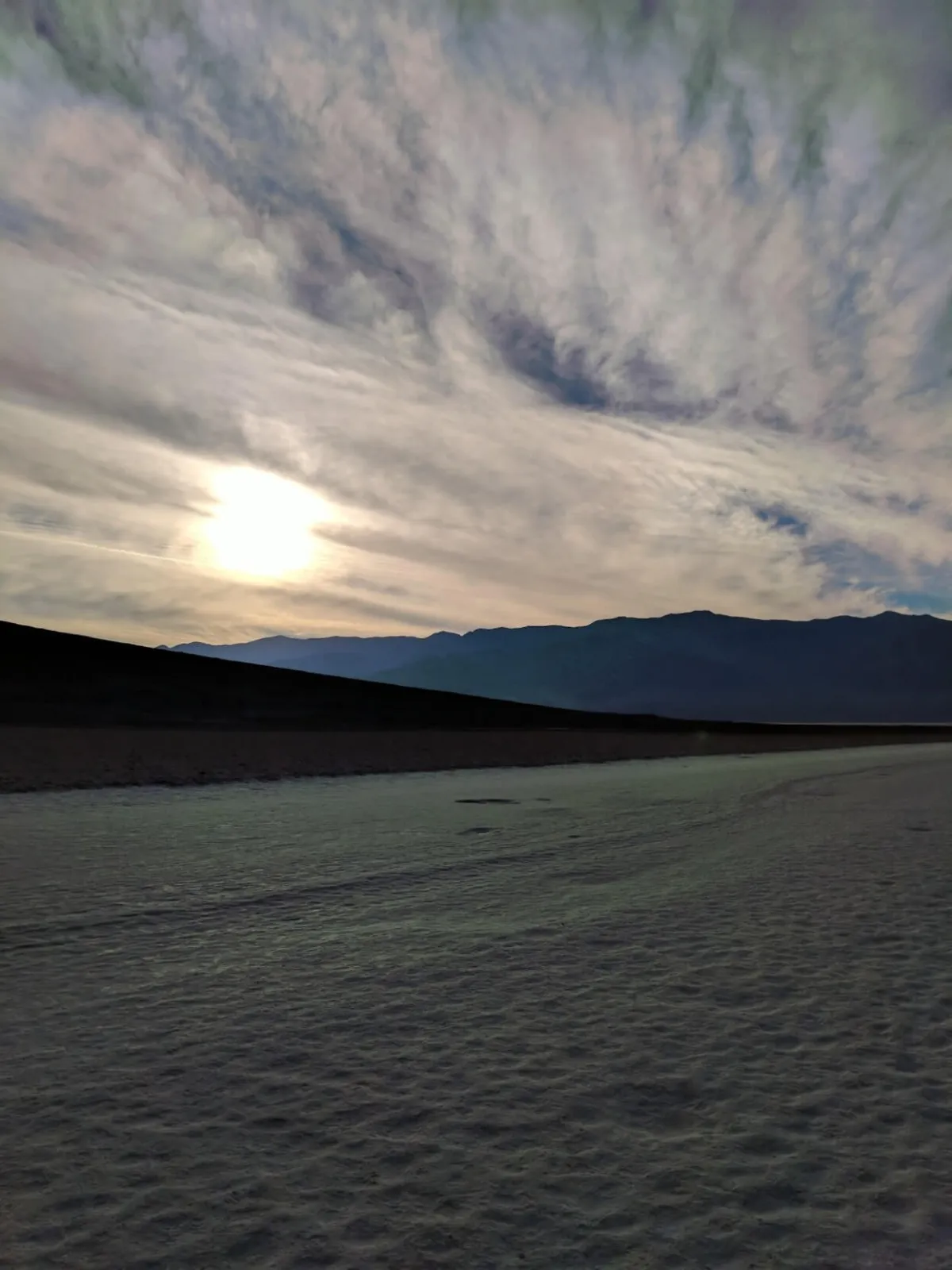 Photo: Death Valley, via www.nateshivar.com
The most successful highway pharmacies kept detailed logs of common traveler ailments, tracking patterns by season and route. They knew that westbound travelers in July would need different supplies than eastbound travelers in October.
Beyond Band-Aids: The Diagnostic Detectives
These pharmacists became skilled at reading the signs that separated minor road trip mishaps from serious medical emergencies. A driver stumbling in with slurred speech might just be exhausted — or could be showing early signs of carbon monoxide poisoning from a leaky exhaust system.
Many developed their own informal triage systems. Red-faced tourists got immediate attention for heat-related illness. Anyone complaining of chest pain after a blowout got referred to the nearest doctor, no matter how far away. Families with sick children received priority treatment and detailed directions to the closest hospital.
"They saved lives by knowing what they didn't know," says automotive historian James McKenzie. "A good highway pharmacist could spot when someone needed more help than they could provide."
The Network Nobody Planned
Perhaps most remarkably, these scattered pharmacists began forming an informal network of mutual support. They'd call ahead to colleagues in other towns, warning them about travelers who might need follow-up care. A pharmacist in Flagstaff might telephone a counterpart in Gallup to check on a family with a sick child who'd passed through days earlier.
This network became particularly valuable during medical emergencies that required ongoing treatment. Diabetic travelers could get insulin refills at participating pharmacies along their route. People with chronic conditions could receive medication adjustments from pharmacists who'd been briefed by colleagues hundreds of miles away.
The End of an Era
By the 1960s, the era of the highway pharmacist was ending. Interstate highways bypassed small towns, sending travelers to suburban chain stores instead of Main Street pharmacies. Urgent care centers and hospital emergency rooms became more accessible. Modern cars became more reliable, reducing the frequency of roadside emergencies.
But their legacy lives on in unexpected ways. Many of the specialized travel medications they pioneered — motion sickness patches, electrolyte replacement drinks, portable cooling treatments — became standard products that we take for granted today.
What We Lost
The decline of highway pharmacists represents more than just a change in medical care — it marked the end of a uniquely American approach to problem-solving. These were professionals who saw a need and filled it, without waiting for corporate chains or government programs to catch up.
Today's road trippers have access to better emergency care and more reliable vehicles. But they've lost something too: the reassurance of knowing that help was always just a few miles ahead, in the form of a knowledgeable professional who understood the unique challenges of life on the road.
The next time you pass through a small town with a vintage pharmacy sign, remember: you're looking at one of America's forgotten emergency rooms, where healing happened one traveler at a time.