Walk into any classic American roadside motel room, and you might think the layout was thrown together by someone with no design training. The bed faces an odd angle. The chair points toward the bathroom instead of the TV. The window seems randomly placed.
But you'd be wrong. Every single element in that room was carefully calculated by architects who studied human psychology as intensively as they studied building codes.
The Casino Connection
In the 1950s and 60s, as America's highway system exploded and roadside motels multiplied, a small group of hospitality architects began borrowing techniques from an unlikely source: Las Vegas casinos. They realized that the same psychological principles that kept gamblers at slot machines could influence how travelers behaved in motel rooms.
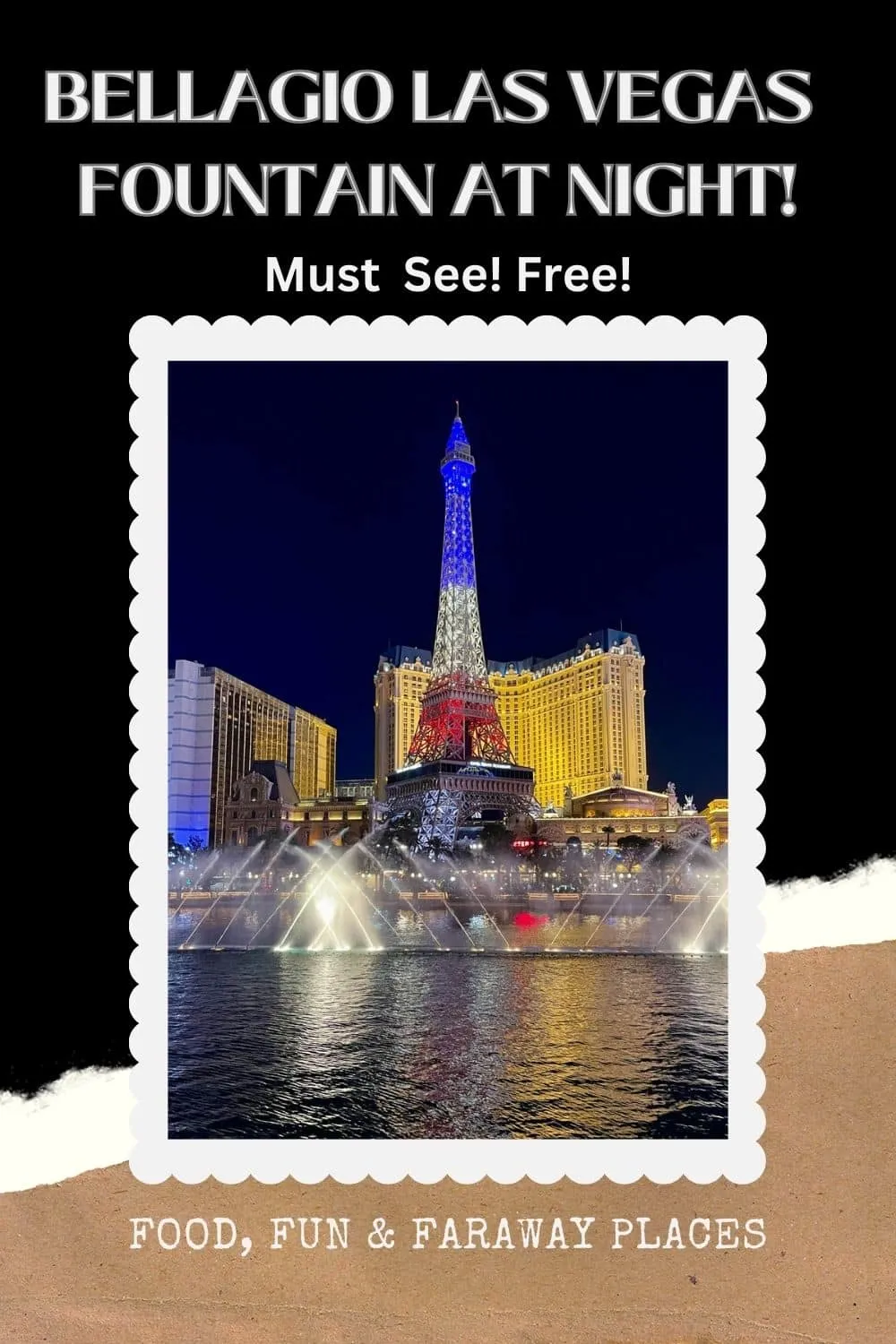 Photo: Las Vegas, via kellystilwell.com
The pioneer was Victor Gruen, better known for inventing the shopping mall, who consulted on several major motel chains. Gruen had spent years studying how physical environments shape behavior, and he saw motels as laboratories for testing these ideas on a massive scale.
 Photo: Victor Gruen, via alchetron.com
The goal wasn't always the same, though. Some motels wanted guests to feel so comfortable they'd extend their stay. Others — particularly those near major highways — wanted to move people through quickly to maximize turnover. The room design reflected these different business models in subtle but powerful ways.
The Psychology of Placement
Take window placement, which seems like it should be about views or natural light. In reality, motel architects positioned windows based on psychological research about how people orient themselves in unfamiliar spaces.
Rooms designed for longer stays placed windows where guests would naturally look when lying in bed — creating a sense of openness and connection to the outside world. But quick-turnover motels often positioned windows behind the bed or off to the side, creating a subtle sense of enclosure that made guests unconsciously eager to get back on the road.
The same logic applied to furniture arrangement. Chairs that faced the door made guests feel alert and temporary — perfect for highway motels that wanted fast turnover. Chairs angled toward the TV or positioned to look out the window encouraged settling in for the evening.
The Color Psychology Game
Motel color schemes weren't chosen for aesthetics — they were selected based on psychological research about how different hues affect mood and behavior. Orange and red accents, common in highway motels, create subtle anxiety that encourages movement. Blues and greens, favored by resort motels, promote relaxation and longer stays.
Even the intensity of colors mattered. Bright, saturated colors created energy but also fatigue — perfect for getting guests to check out on time. Muted, earth-tone palettes encouraged lingering and repeat visits.
The Lighting Conspiracy
Motel lighting was perhaps the most sophisticated psychological tool. Architects worked with lighting designers to create different moods at different times of day, subtly guiding guest behavior.
Morning lighting was typically bright and slightly cool-toned, encouraging guests to get up and get moving. Evening lighting shifted warmer and dimmer, but the specific intensity varied by business model. Highway motels used slightly brighter evening lighting to prevent guests from getting too comfortable. Destination motels used softer lighting that encouraged settling in for multiple nights.
Some chains even installed lighting systems that gradually shifted throughout the day, mimicking natural circadian rhythms to either energize guests for departure or relax them for extended stays.
The Bathroom Mirror Trick
Here's a detail most people never notice: the angle and placement of bathroom mirrors in motel rooms. Mirrors positioned directly across from the bathroom door force guests to see themselves immediately upon entering — creating a moment of self-awareness that hospitality psychologists found either welcoming or unsettling, depending on the lighting and angle.
Motels targeting business travelers often used this "mirror confrontation" to encourage guests to freshen up and get back on the road. Family-oriented motels positioned mirrors to be less prominent, reducing the psychological pressure to look perfect.
The Sound Design You Never Noticed
The most subtle manipulation involved acoustic design. Motel architects worked with sound engineers to control how noise traveled both into and within rooms. This wasn't just about soundproofing — it was about creating specific audio environments that influenced behavior.
Rooms designed for longer stays minimized road noise and emphasized quieter sounds like air conditioning hums that promoted relaxation. Highway motels sometimes actually allowed slightly more road noise to filter in, creating a subtle reminder of the journey waiting outside.
Modern Echoes
These techniques didn't disappear when the classic motel era ended. Modern hotel chains use even more sophisticated environmental psychology, from scent marketing to temperature manipulation. But the basic principle remains the same: your physical environment is constantly influencing your behavior in ways you probably don't consciously notice.
The next time you check into a roadside motel, take a moment to really observe the room design. Notice where your eye naturally goes when you walk in. Pay attention to how the furniture arrangement makes you feel. Consider whether the space encourages you to unpack and settle in, or keep your bags ready for a quick departure.
You might realize that your travel decisions aren't entirely your own — they're being gently guided by designers who understood human psychology better than most people realize.
The Takeaway
Those mid-century motel architects were conducting one of the largest behavioral psychology experiments in American history, testing their theories on millions of travelers. The fact that many of their techniques are still used today suggests they were onto something profound about how physical spaces shape human behavior.
So the next time you find yourself inexplicably comfortable — or inexplicably restless — in a motel room, remember: it's not an accident. It's architecture.