The Alcohol Engine That Henry Ford Built — And How Prohibition Accidentally Killed America's First Green Revolution
Henry Ford had a radical vision for America's roads: cars that ran on alcohol distilled from corn, potatoes, and farm waste. It wasn't a pipe dream — it was his original plan. When Ford unveiled the Model T in 1908, he designed it to run on ethanol, gasoline, or any blend of the two. "The fuel of the future is going to come from fruit like that sumach out by the road, or from apples, weeds, sawdust — almost anything," Ford told a New York Times reporter in 1925.
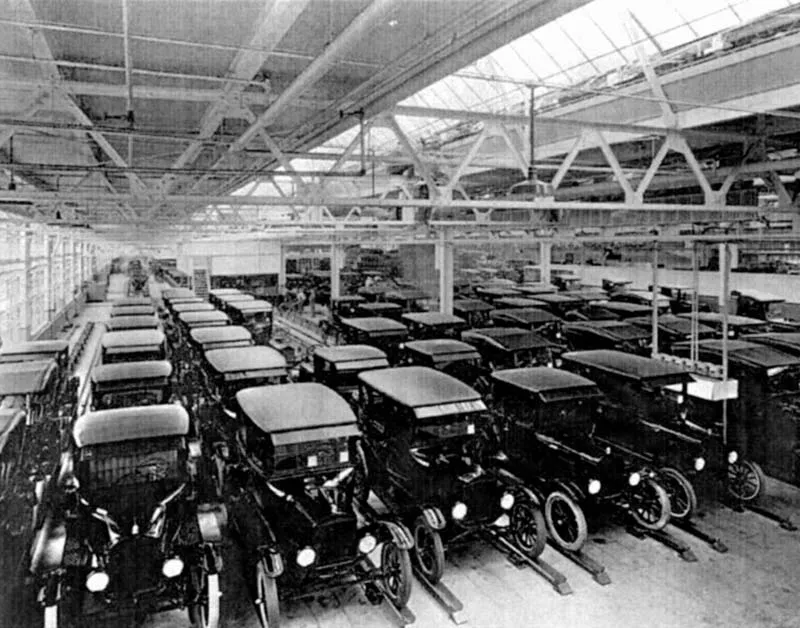 Photo: Henry Ford, via henryfordassemblylinebyrobert.weebly.com
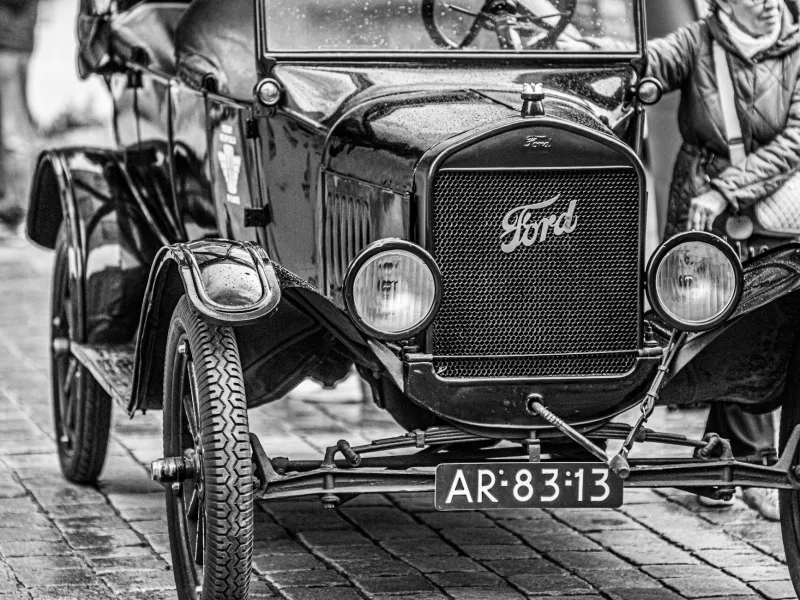
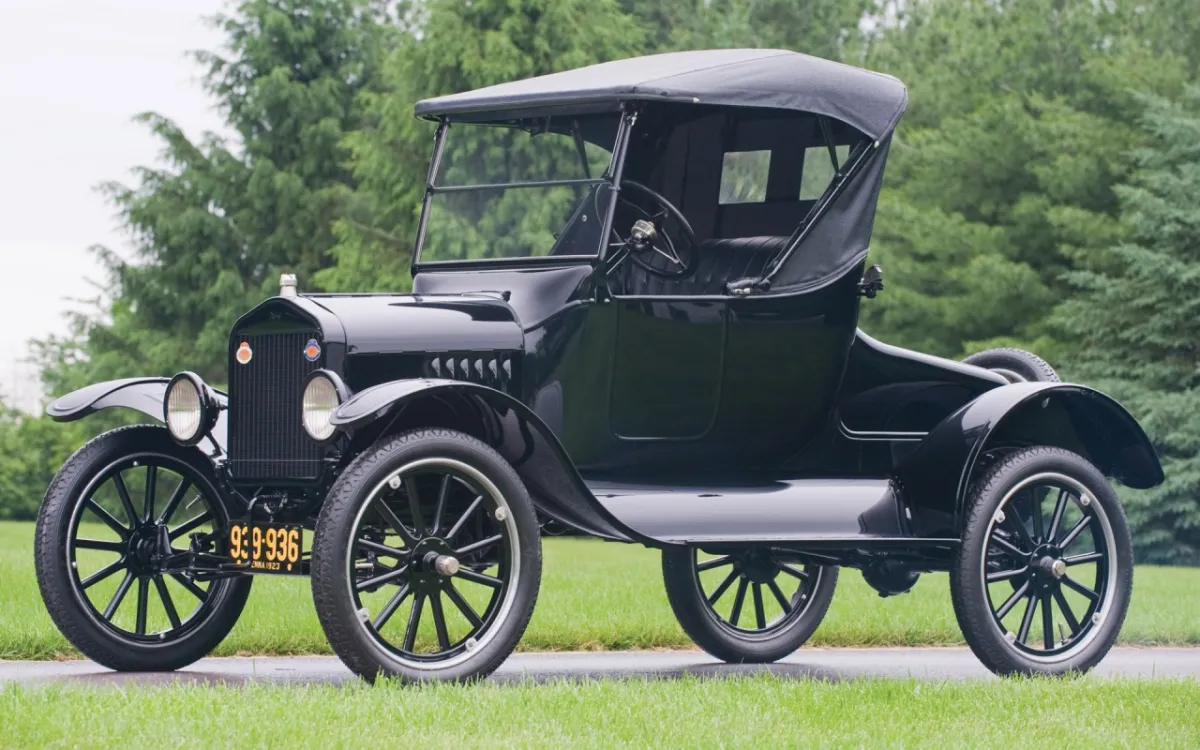 Photo: Model T, via gomotors.net
For a brief, fascinating moment in American history, ethanol wasn't alternative fuel — it was mainstream fuel. And then, almost overnight, it disappeared from gas stations across the country. The story of why reveals one of the most consequential corporate battles most Americans have never heard of.
When Farms Powered Cars
In the early 1900s, ethanol made perfect sense for a nation of farmers. Unlike gasoline, which required expensive refineries and imported crude oil, ethanol could be produced anywhere crops grew. Rural communities could literally grow their own fuel, keeping money in local economies instead of shipping it off to oil barons.
Ford wasn't alone in his enthusiasm. The U.S. Department of Agriculture promoted ethanol as "the most direct route to energy independence," and early gas stations routinely sold both gasoline and ethanol blends. Some regions saw ethanol outsell gasoline by significant margins, particularly in agricultural areas where corn was abundant and cheap.
The fuel performed remarkably well. Ethanol burned cleaner than gasoline, produced less carbon buildup in engines, and delivered comparable power. Racing drivers particularly loved it — ethanol's high octane rating made engines run smoother at high speeds. The Indianapolis 500 ran exclusively on ethanol from 1965 to 2005, a testament to its performance capabilities.
The Prohibition Problem
Then came January 16, 1920, and everything changed. The 18th Amendment didn't just ban drinking alcohol — it effectively criminalized ethanol production. Suddenly, farmers who had been distilling fuel found themselves subject to federal raids and criminal prosecution. The same substance that powered their tractors was now contraband.
The law included provisions for "denatured" ethanol — alcohol made undrinkable by adding toxic chemicals — but the regulatory maze was intentionally complex. Farmers needed federal permits, regular inspections, and expensive bonding requirements. Small-scale ethanol producers, who had been the backbone of rural fuel production, couldn't navigate the bureaucratic labyrinth.
"It was like requiring a liquor license to sell gasoline," explains automotive historian Daniel Yergin. "The infrastructure that made ethanol competitive simply evaporated overnight."
Big Oil Seizes the Moment
While ethanol producers struggled with Prohibition paperwork, oil companies saw opportunity. Standard Oil and its competitors had been fighting an uphill battle against locally-produced ethanol, but suddenly their competition was hamstrung by federal law.
Oil companies launched aggressive marketing campaigns promoting gasoline as "modern" and "reliable," while portraying ethanol as old-fashioned farm fuel. They invested heavily in refinery infrastructure and gas station networks, creating a distribution system that ethanol producers couldn't match while operating under Prohibition constraints.
More importantly, oil companies began adding tetraethyl lead to gasoline to boost octane ratings — matching ethanol's natural high-octane performance. This gave gasoline a technical edge it had previously lacked, even though the lead additive would later prove catastrophically toxic.
The Lobbying Machine
Behind the scenes, oil companies worked to ensure that even after Prohibition ended in 1933, ethanol would never regain its foothold. They lobbied for tax policies that favored petroleum products and against agricultural subsidies that might make ethanol competitive again.
Perhaps most cleverly, they promoted the narrative that America's energy future lay in technological sophistication — complex refineries and chemical processes — rather than "primitive" agricultural methods. This framing appealed to a nation eager to see itself as modern and industrial rather than rural and agricultural.
What We Lost
The ethanol defeat wasn't just about fuel choice — it reshaped American agriculture, economics, and foreign policy. Had ethanol remained competitive, the United States might have developed energy independence decades earlier, avoiding oil embargoes and Middle Eastern entanglements.
Rural communities lost a potential economic engine. Instead of exporting their agricultural surplus as fuel, farming regions became importers of energy, sending money to distant oil companies instead of keeping it in local economies.
Environmentally, the consequences were enormous. Ethanol burns significantly cleaner than gasoline, producing fewer greenhouse gases and toxic emissions. The widespread adoption of leaded gasoline — necessary to make petroleum competitive with ethanol's natural octane rating — poisoned American cities for half a century.
The Modern Echo
Today's ethanol industry exists as a shadow of what Ford envisioned. Current ethanol production relies heavily on government subsidies and mandates — the very regulatory framework that oil companies helped establish to keep alternatives marginalized. Modern ethanol faces criticism for competing with food production and requiring intensive farming methods, problems that might have been solved differently had the industry developed naturally rather than being repeatedly suppressed and artificially revived.
The next time you see an E85 pump at a gas station, remember: you're looking at the remnant of Henry Ford's original vision for American transportation. In an alternate timeline where Prohibition targeted something other than alcohol, your daily commute might be powered by last year's corn harvest instead of oil drilled from ancient seabeds.
Sometimes the most important battles are the ones that end so decisively, we forget they were ever fought at all.