When Breaking Down Meant Knocking on Doors
Picture this: It's 1925, and you're driving cross-country in your Model T Ford. No cell phone, no GPS, no roadside assistance. When your engine sputters to a stop on a lonely stretch of highway, your survival depends on the kindness of strangers — specifically, a remarkable breed of Americans who turned helping stranded motorists into an unofficial profession.
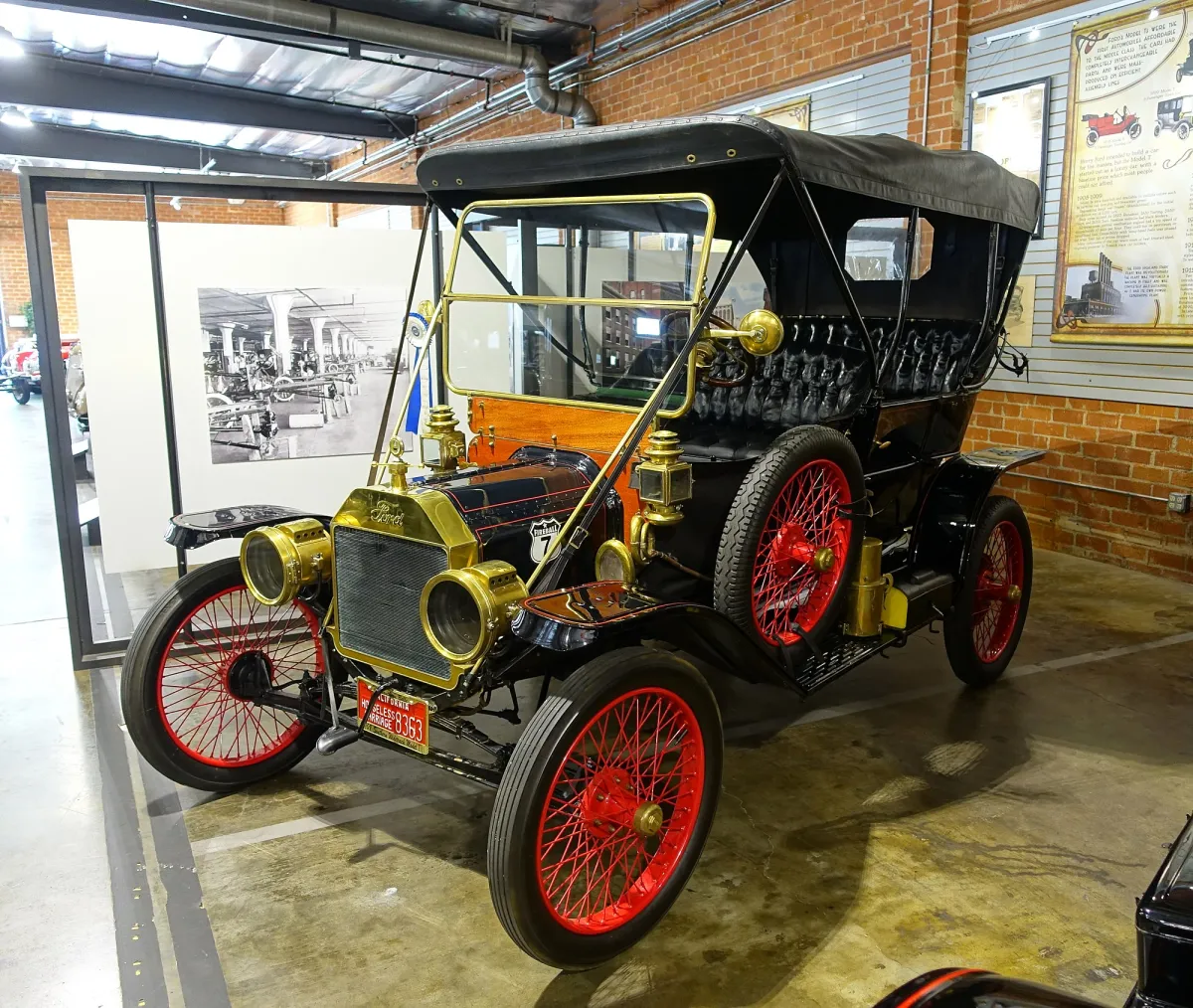 Photo: Model T Ford, via global.discourse-cdn.com
They called themselves road house keepers, though they had no official title or training. These were farmers, blacksmiths, general store owners, and widows who lived along America's nascent highway system and made it their business to rescue travelers in distress.
The Unsung Heroes of Early Motoring
Unlike today's sanitized rest stops, these roadside angels operated out of their own homes and properties. Sarah McKinnon of rural Kansas kept a hand-painted sign in her yard: "Auto Trouble? Water & Tools." For twenty-three years, she welcomed desperate drivers into her kitchen, lending everything from tire patches to hot coffee while their cars cooled down.
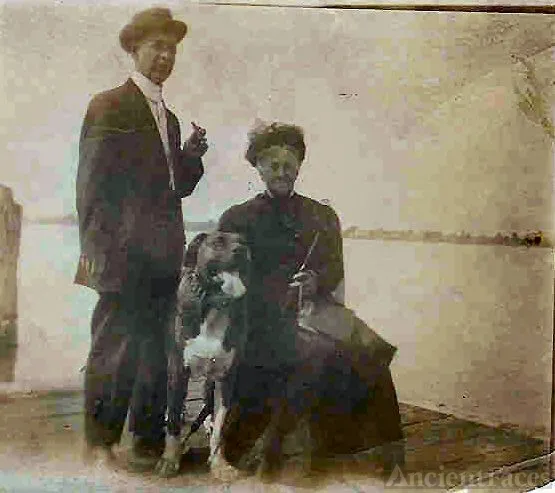 Photo: Sarah McKinnon, via media-af-photos.ancientfaces.com
These weren't random acts of kindness — they were calculated networks of mutual aid. Road house keepers developed intricate knowledge of local conditions, weather patterns, and mechanical quirks specific to different car models. They knew which hills destroyed transmissions, where flash floods struck, and exactly how much water a overheated Buick needed to make it to the next town.
Many kept detailed logs of every traveler they helped, creating informal intelligence networks that rivaled anything the government had. A keeper in Colorado might know that the bridge in Nebraska was washed out because word traveled through the community of rescued drivers.
More Than Mechanics — They Were Road Whisperers
What made these helpers extraordinary wasn't just their mechanical knowledge, but their understanding of human psychology under stress. They could spot a panicked city driver from miles away and knew exactly how to calm them down. Many kept children's toys and candy for families, understanding that a crying child could turn a simple breakdown into a family crisis.
Elmer Jacobson, who operated an informal rescue station in Montana from 1923 to 1951, once told a local newspaper: "A broken car is easy to fix. A broken spirit takes more work." His guest book, preserved by his granddaughter, contains entries from over 3,000 grateful travelers, many of whom returned year after year just to say hello.
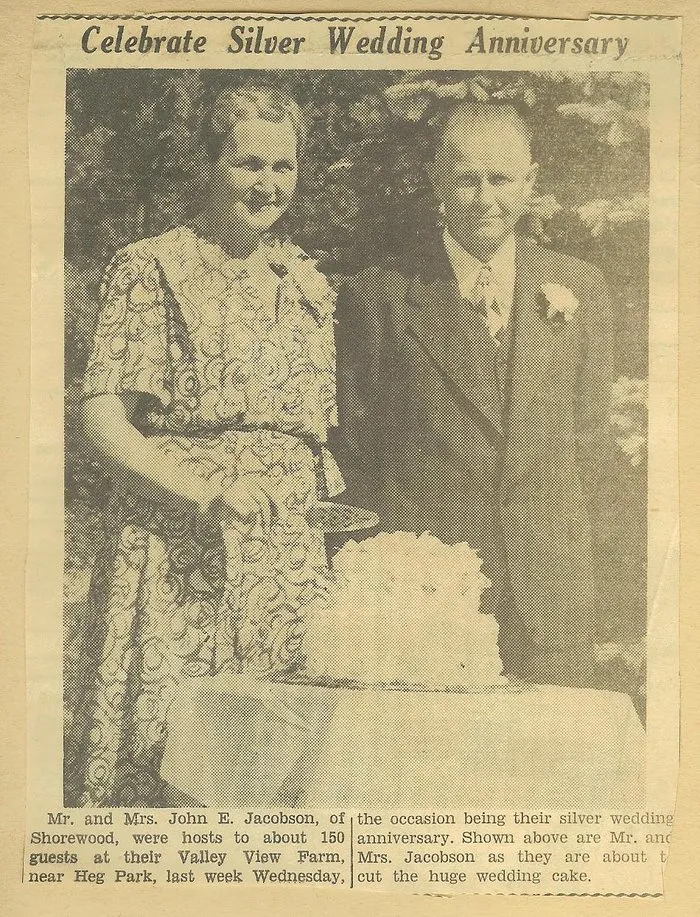 Photo: Elmer Jacobson, via images.findagrave.com
The Economics of Good Samaritan-ship
While these keepers rarely charged for basic help, many developed sustainable side businesses around their rescue operations. They sold gasoline from barrels, offered simple meals, and provided overnight accommodation in spare rooms or barns. Some became unofficial tour guides, steering visitors toward local attractions and away from known hazards.
The income wasn't substantial, but it was steady. More importantly, it gave rural Americans a sense of purpose and connection to the broader world rushing past their doorsteps. For many isolated communities, the road house keeper became the unofficial ambassador to travelers from distant cities.
Why They Vanished — And What We Lost
The interstate highway system of the 1950s killed the road house keeper profession almost overnight. New highways bypassed small towns entirely, while standardized rest areas and chain motels provided corporate alternatives to personal hospitality.
AAA and other roadside assistance services promised more reliable help, but something essential was lost in the translation. Modern roadside assistance fixes your car and sends you on your way. The old keepers fixed your car and made you feel like family.
The Gap That Never Got Filled
Today's road trip infrastructure is undeniably more efficient, but it's also sterile. When your GPS dies in the middle of nowhere, you can't knock on a stranger's door and expect the warm welcome that travelers once took for granted. We've traded the personal touch of community care for the cold efficiency of corporate service.
Some argue this change was inevitable — and safer. But anyone who's ever felt truly lost on an empty highway might wonder if we gave up something irreplaceable when we let the road house keepers fade into history.
The next time you pull into a rest area, remember: You're experiencing the industrial replacement for something much more human. Those guardian angels of America's first highways didn't just keep cars running — they kept the spirit of adventure alive through simple acts of neighborly kindness that no app will ever replicate.