The Underground Network of Airport Car Hunters
Every Tuesday at 9 AM, Mike Chen drives to the long-term parking lot at Denver International Airport. He's not catching a flight — he's hunting for his next car. Chen is part of a quiet community of used car buyers who've figured out that some of the most reliable vehicles in America end their service lives in airport parking lots, not dealer showrooms.
 Photo: Mike Chen, via thepersonage.com
 Photo: Denver International Airport, via en.wikiarquitectura.com
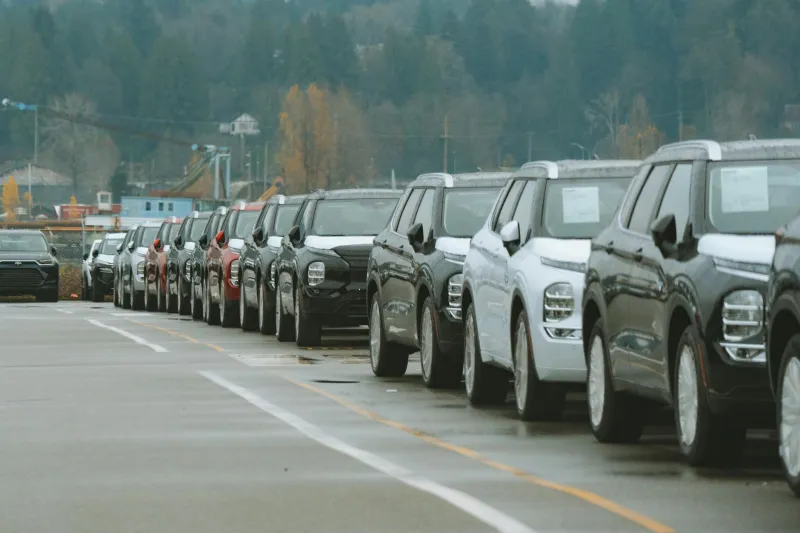
"People think rental cars are beat to hell," Chen explains, walking past rows of nearly identical sedans. "But these fleet vehicles are maintained better than most people maintain their personal cars. The companies have to — their entire business depends on reliable transportation."
Chen has bought seven cars this way over the past decade, each one serving him faithfully for years with minimal problems. His secret isn't luck — it's understanding a maintenance system most car buyers never see.
The Fleet Maintenance Advantage
Rental car companies and corporate fleets operate under completely different rules than individual car owners. When Enterprise or Hertz buys 10,000 identical vehicles, they negotiate maintenance contracts that would make any car owner jealous. Oil changes happen every 3,000 miles without fail. Tire rotations, brake inspections, and fluid checks follow rigid schedules enforced by fleet management software.
"A rental car that misses scheduled maintenance costs the company money immediately," explains Sarah Martinez, a former Avis fleet manager turned independent car consultant. "When your personal car needs maintenance, you might put it off a few weeks. When a rental car needs maintenance, it comes off the road that day."
 Photo: Sarah Martinez, via sarahmartinez.com
This obsessive maintenance culture creates a paradox: vehicles driven by hundreds of different people often receive better care than cars owned by single families.
The Corporate Travel Secret
Beyond traditional rental returns, airport lots are also dumping grounds for corporate travel vehicles — cars owned by companies for employee business trips. These vehicles represent the sweet spot of the used car market: low mileage, excellent maintenance, and owners who had no emotional attachment to driving style.
"Corporate travel cars are driven by people who just want to get from the airport to their meeting and back," notes automotive journalist David Park. "No racing, no off-roading, no 'let's see what this baby can do.' Just responsible adults trying not to get fired for damaging the company car."
These vehicles typically accumulate miles slowly and steadily, mostly on highways rather than in stop-and-go city traffic. The result is low-stress mileage that's easy on engines, transmissions, and brakes.
The Models That Shine
Certain vehicles dominate the fleet market for good reasons that translate perfectly to individual ownership. Toyota Camrys, Honda Accords, and Nissan Altimas make up huge percentages of rental fleets because they're reliable, fuel-efficient, and cheap to maintain — exactly what used car buyers should want.
"Fleet buyers are basically professional car shoppers," Martinez points out. "They buy thousands of vehicles based purely on total cost of ownership. No emotions, no style preferences, just cold math about what cars will cause the fewest problems."
Luxury fleets offer different opportunities. Airports often auction off BMW 3-Series, Mercedes C-Class, and Audi A4 vehicles that served as executive transportation. These cars typically have low mileage and maintenance records that would cost thousands to replicate privately.
The Auction Underground
Most airport fleet sales happen through specialized auctions that aren't advertised to general consumers. Companies like Manheim and ADESA hold weekly sales at airports across the country, moving hundreds of vehicles that most buyers never see.
"The general public thinks used cars come from trade-ins at dealerships," Chen explains. "But huge numbers come through these fleet auctions. Dealers know about them, but regular buyers usually don't."
Some auctions are open to public buyers with proper registration, while others require dealer licenses. However, many fleet vehicles eventually filter through to independent dealers who specialize in ex-rental inventory.
The Inspection Strategy
Buying fleet vehicles requires a different inspection approach than typical used cars. Instead of looking for signs of abuse, savvy buyers focus on maintenance documentation and mileage patterns.
"I want to see the service records," Chen says. "Fleet vehicles come with complete maintenance histories that most used cars don't have. You can see exactly when every oil change happened, every inspection, every repair."
Fleet vehicles also tend to show wear in predictable patterns. Rental cars might have more interior wear from multiple users, but they rarely show signs of mechanical neglect. Corporate vehicles often look nearly new inside and out.
The Hidden Costs That Aren't
Many buyers worry about hidden problems with fleet vehicles, but the maintenance transparency actually reduces risk compared to typical used car purchases. When you buy a three-year-old car from a private owner, you're trusting that person's maintenance habits. When you buy from a fleet, you're getting documentation of professional maintenance.
"The biggest 'hidden cost' is usually cosmetic," Martinez notes. "Maybe the interior shows more wear, or there are small dings from airport parking lots. But mechanically, these cars are often in better shape than pampered garage queens."
Finding Your Own Airport Gold Mine
The airport used car strategy isn't limited to major metropolitan areas. Regional airports often host smaller fleet auctions, and local rental agencies frequently sell vehicles directly to consumers when they rotate inventory.
Start by calling rental agencies near your local airport to ask about their sales programs. Many locations have informal waiting lists for customers interested in purchasing returning vehicles. Some corporate travel departments also sell vehicles directly rather than going through auctions.
The Counter-Intuitive Truth
The airport parking lot strategy reveals a counter-intuitive truth about used cars: vehicles driven by strangers and maintained by corporations are often more reliable than cars lovingly owned by individuals. Professional maintenance trumps personal attachment every time.
Next time you're at an airport, take a look at those rows of identical sedans in the rental return area. Somewhere in that sea of silver Camrys and white Altimas might be your next reliable, well-maintained car — if you know how to look for it.