Your Driver's Ed Teacher Got the Steering Grip Wrong — Here's What Actually Works
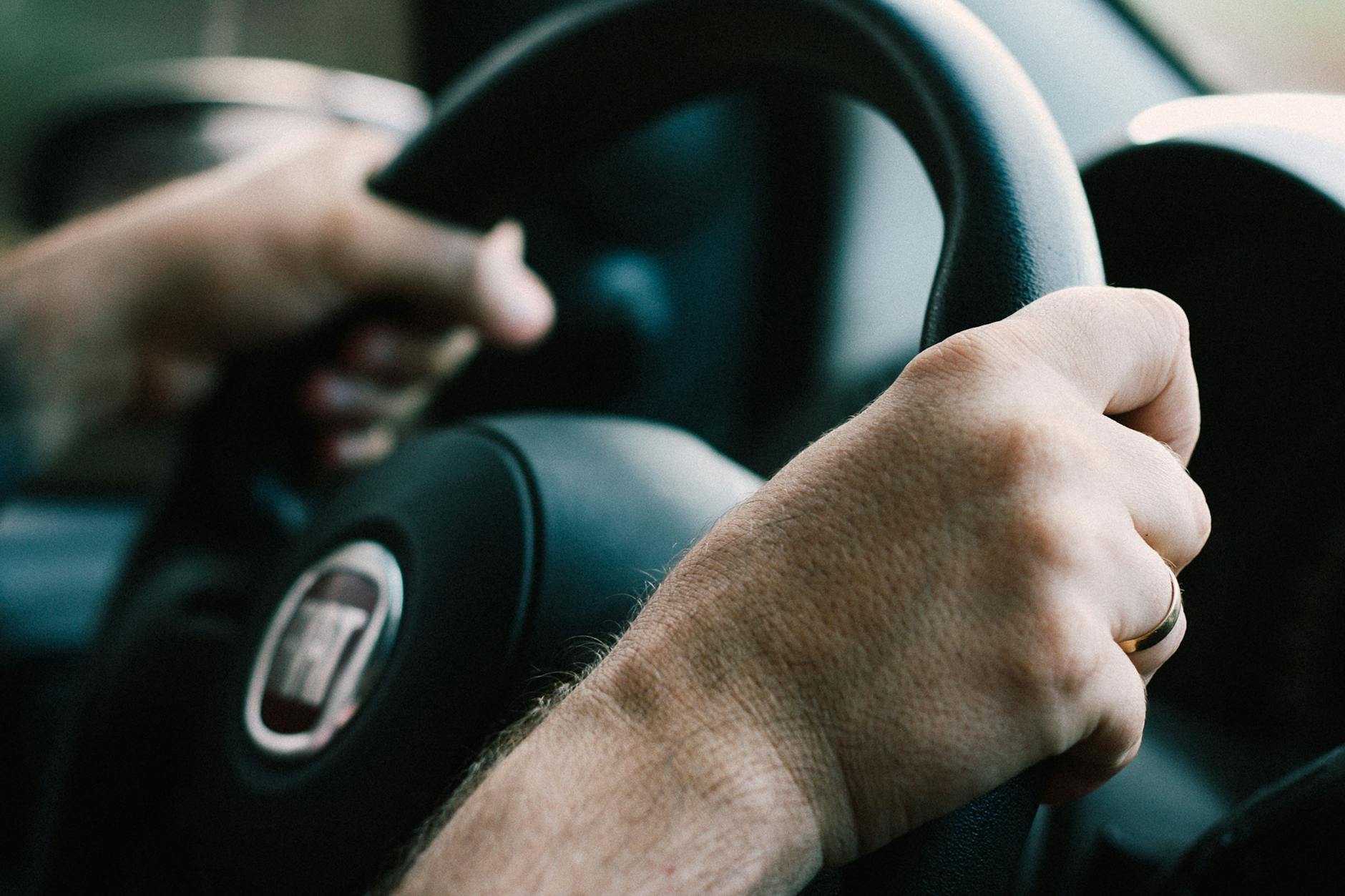
Your Driver's Ed Teacher Got the Steering Grip Wrong — Here's What Actually Works
Picture your driver's ed classroom. Probably some fluorescent lighting. Definitely a laminated poster of a steering wheel with two hands placed firmly at the ten o'clock and two o'clock positions. Your instructor pointed at it with great authority and told you this was the correct way to drive. You believed them. Most of us still do.
Here's the uncomfortable twist: that advice has been considered outdated — and in some situations, genuinely dangerous — for over a decade. The organizations that taught 10-and-2 in the first place, including the National Highway Traffic Safety Administration and the American Driver and Traffic Safety Education Association, have quietly moved on. The new recommendation is 9-and-3. And the reason why is more interesting than you'd expect.
The Airbag Problem Nobody Warned You About
When 10-and-2 became standard teaching, cars didn't have airbags. The position made decent sense for the steering technology of the time — it gave drivers solid leverage and a wide range of turning motion without crossing their arms.
Then airbags arrived, and the math changed completely.
Modern steering wheel airbags deploy from the center hub at speeds that can exceed 200 miles per hour. In a 10-and-2 grip, your hands and forearms are positioned directly in the deployment zone. When an airbag fires, it doesn't gently inflate like a pillow — it explodes outward with enough force to shatter bones. Drivers have sustained broken wrists, fractured arms, and serious facial injuries from their own hands being launched into their faces by an airbag deployment.
The 9-and-3 position moves your hands lower and to the sides of the wheel, well outside the primary blast zone. Your arms stay clear of the deployment path. If the airbag goes off, it does its job without your own grip becoming a liability.
That's not a minor tweak. That's a fundamental redesign of safe driving technique that most Americans never heard about because, well, driver's education doesn't exactly have a robust update cycle.
The Biomechanics Are Better Too
The airbag issue alone would be enough to justify the switch, but the 9-and-3 position also turns out to be mechanically superior for actual steering.
With your hands at the sides of the wheel, you get a more balanced, symmetrical pull-and-push motion. Your shoulders stay relaxed. Your elbows bend naturally rather than reaching upward. On longer drives, this reduces fatigue in your arms and upper back — something long-haul truckers and professional drivers figured out well before safety researchers caught up.
There's also the issue of reaction time. In an emergency swerve, a 9-and-3 grip allows for faster, more controlled input. Your hands can move the wheel through a full corrective arc without the awkward repositioning that a high grip sometimes requires.
Race car drivers and performance driving instructors have been teaching 9-and-3 for years, not primarily for safety reasons but because it simply gives you better feel and response. The fact that it's also safer is almost a bonus.
A Few Other Driving Habits That Quietly Got Upgraded
The steering grip isn't the only piece of conventional wisdom that's been revised without much fanfare. A few others worth knowing:
Thumb placement matters more than you think. Keep your thumbs resting along the wheel's rim, not hooked around it. A hooked thumb grip can result in a broken or dislocated thumb if the wheel kicks back sharply — which happens more often than people realize on rough roads or during a sudden tire blowout.
Resting your wrist on the top of the wheel is a habit worth breaking. It looks casual, but it significantly slows your reaction time and reduces the force you can apply in an emergency. It also puts your arm back in airbag territory.
The "push-pull" steering method is still preferred over hand-over-hand for most driving situations. Hand-over-hand is fine for very slow, tight turns like parking lot maneuvering, but at speed, push-pull keeps your hands in better position and reduces the chance of crossing your arms during a correction.
Seat position affects everything. Most drivers sit too far back. The ideal position has your wrists resting comfortably on top of the wheel when your arms are extended — meaning your elbows should be slightly bent when your hands are at 9-and-3. If you're reaching for the wheel, you've lost reaction time before you've even started.
Why This Stuff Barely Made Headlines
It's a fair question. A major shift in how driving safety is taught should probably come with some kind of public announcement, right? A press release, at minimum.
The honest answer is that driver's education in the US is fragmented, underfunded, and not particularly good at absorbing new research. Curriculum updates happen slowly and inconsistently across different states and private schools. A lot of instructors still teach what they were taught, and without a dramatic news event to force a rethink, old habits persist.
There's also a certain stubbornness to driving knowledge in general. Most adults consider themselves competent drivers — which statistically speaking, most of us overestimate — and aren't actively seeking updates to techniques they learned at sixteen.
But the next time you get behind the wheel, try sliding your hands down to 9 and 3. It feels slightly weird for about ten minutes, and then it feels completely natural. And somewhere in that adjustment, you'll probably think about all the other small things you've been doing on autopilot that might be worth a second look.
Curiosity, after all, is what makes a good driver — not just muscle memory.